 Tincturian
Tincturian
Making colour with nature
Making colour with nature
Growing colour.
Growing nature.
Most of the colour in our clothes is made from oil. We think it should come from a field.
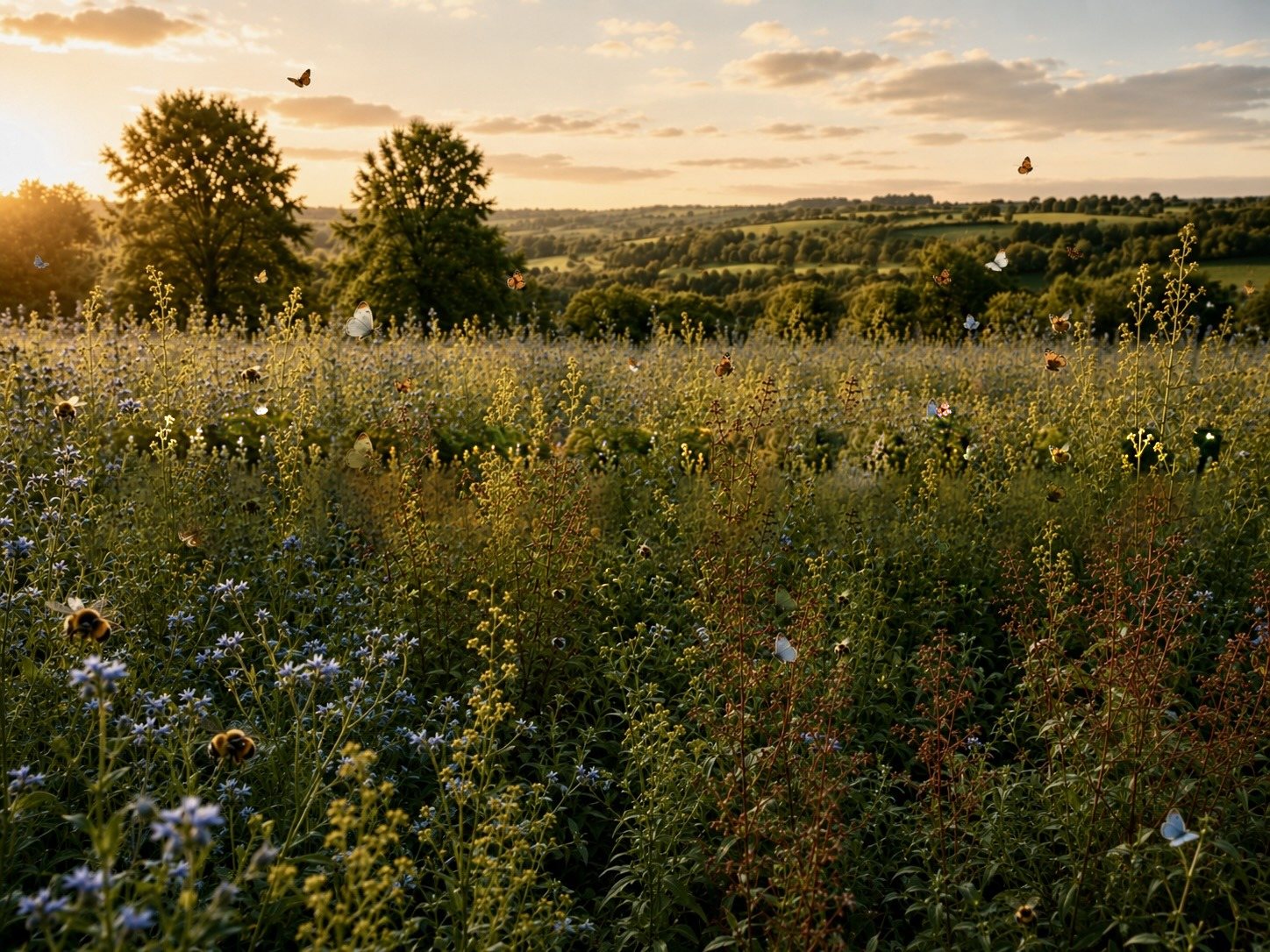
Tincturian grows the plants people have dyed cloth with for thousands of years: woad for blue, madder for red, weld for yellow. While they grow they feed bees and butterflies and give wildlife a home. We also take colour from waste that food, farming and other industries throw away. Then we turn it all into dye for natural fibres, with no synthetic chemicals.
Our crowdfunder is live
Help us kit out our dye shed and classroom.
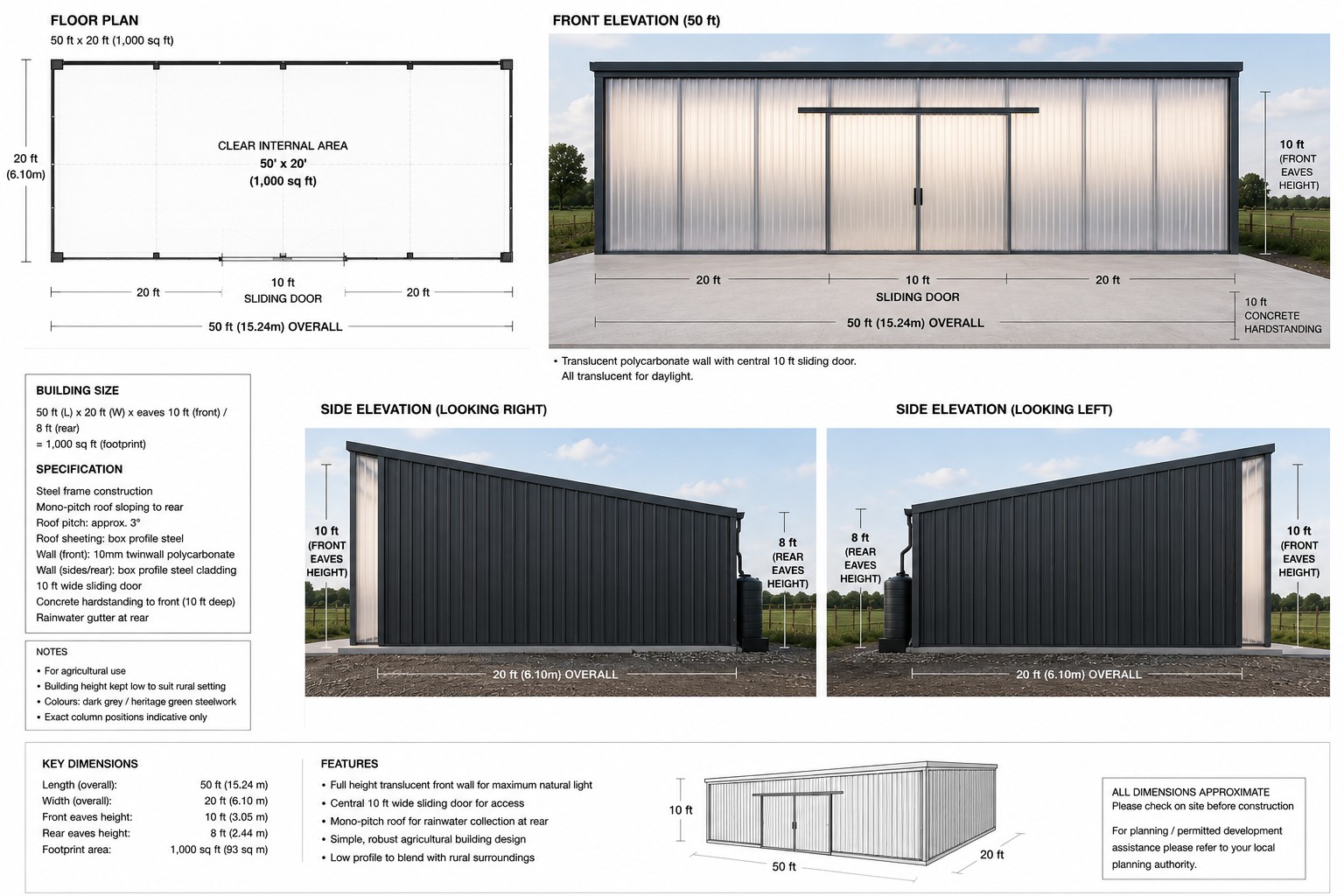
We are raising £15,000 to turn our shed into a working dye studio, seed store, classroom and events space: a place where plants from the fields and waste from industry become colour, and where people can come and learn about and work with natural colour. Every pledge, big or small, helps fill it.
How it works
From a seed
to your scarf
It is an old, slow way of making colour. We are bringing it back at a scale that can help the land as well as the clothes we wear.
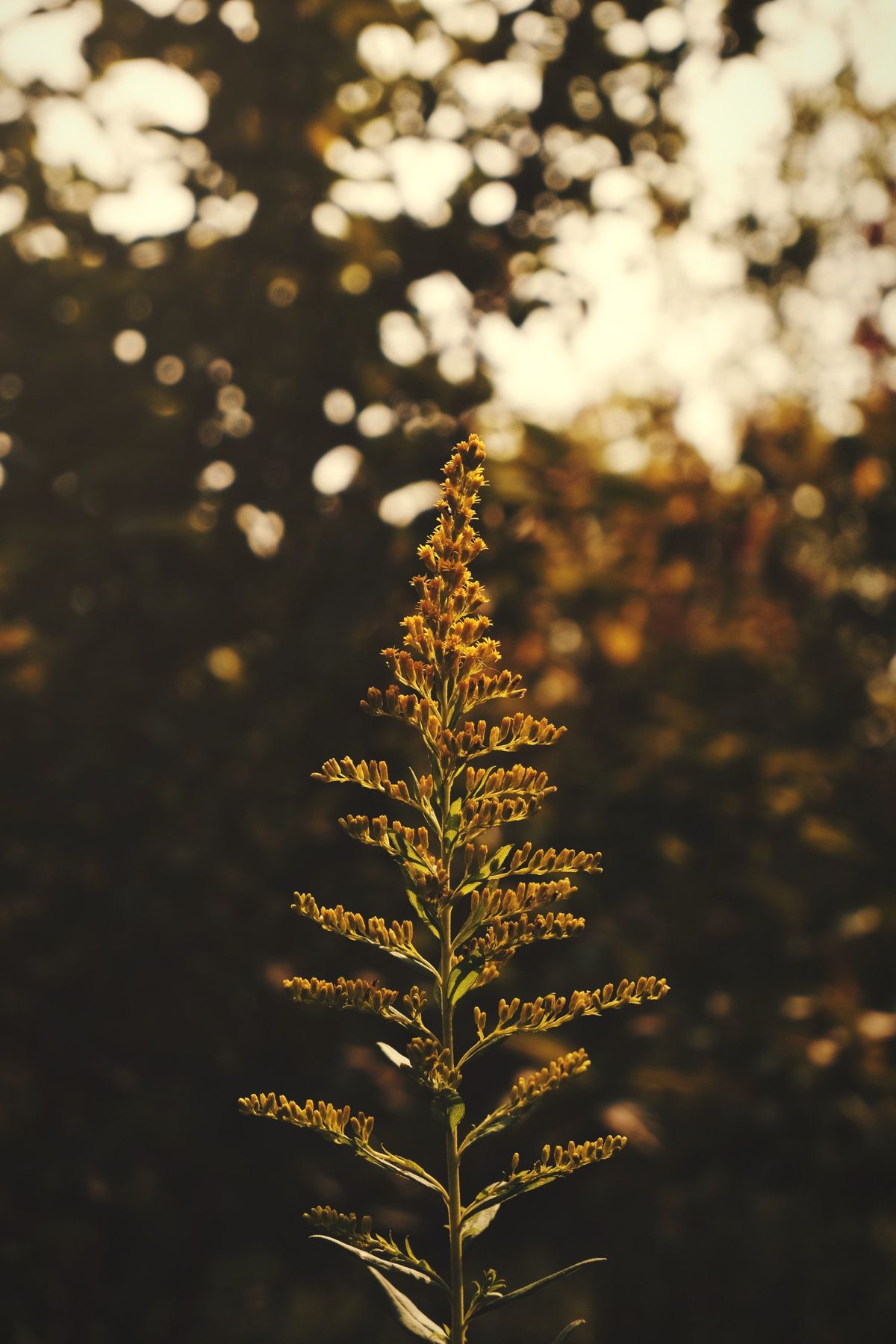 01 · GrowWe sow dye plantsIn fields looked after as homes for wildlife, not just for the harvest.
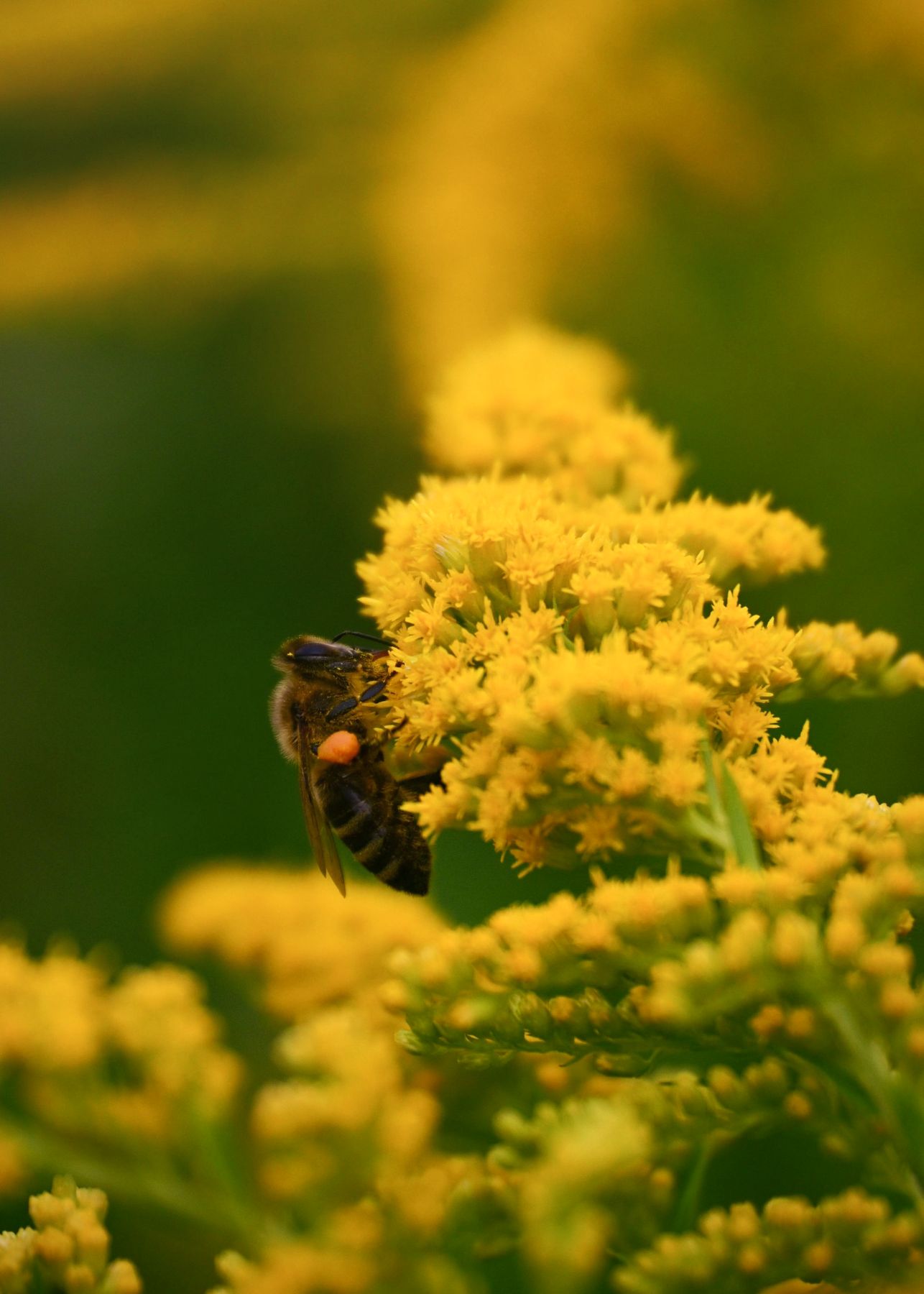 02 · FlowerNature moves inAll summer the plants flower, feeding bees and butterflies and building healthier soil. About nature recovery
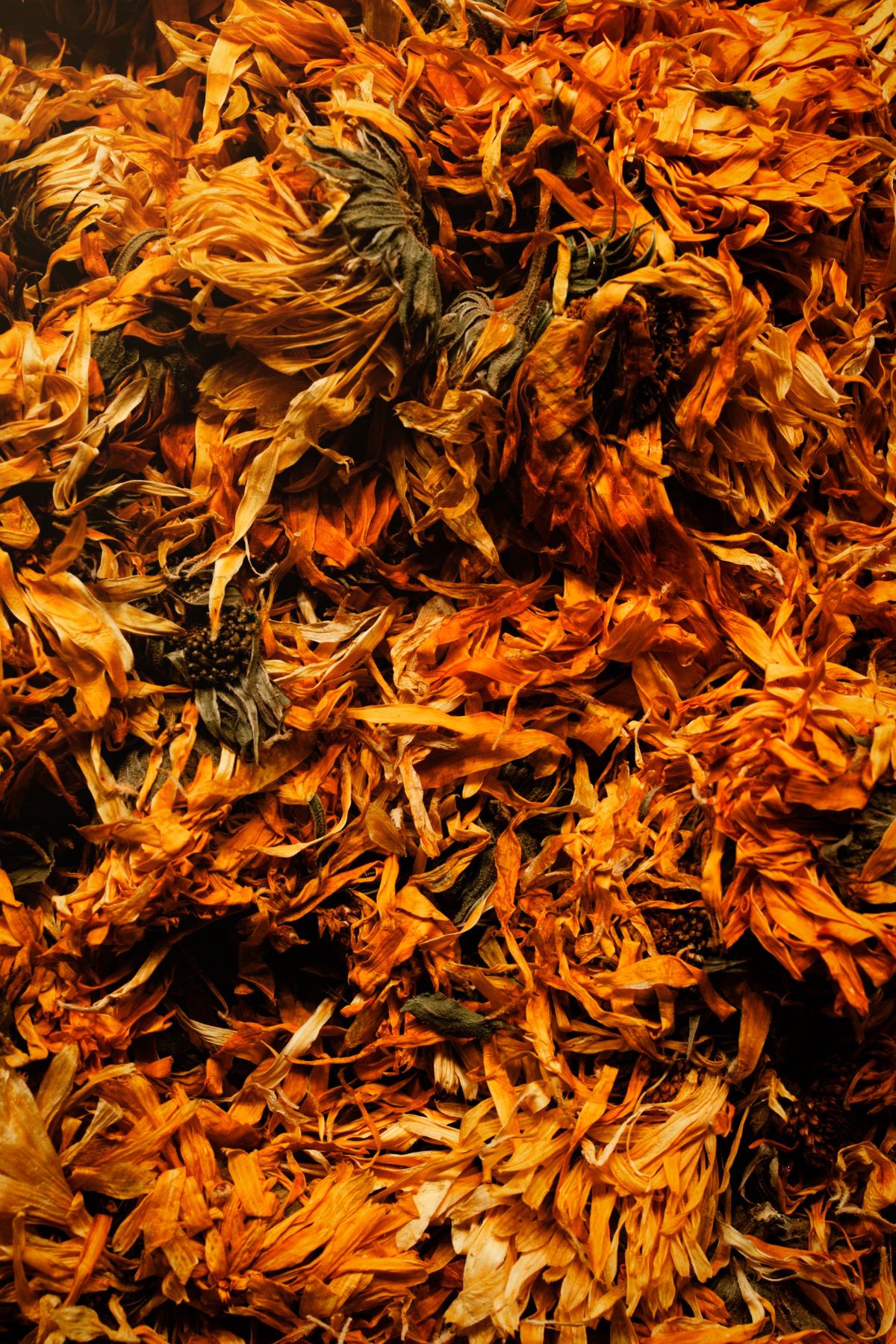 03 · DryWorked on siteAfter harvest we dry and process on site in a specially built barn designed to maximise natural warmth.
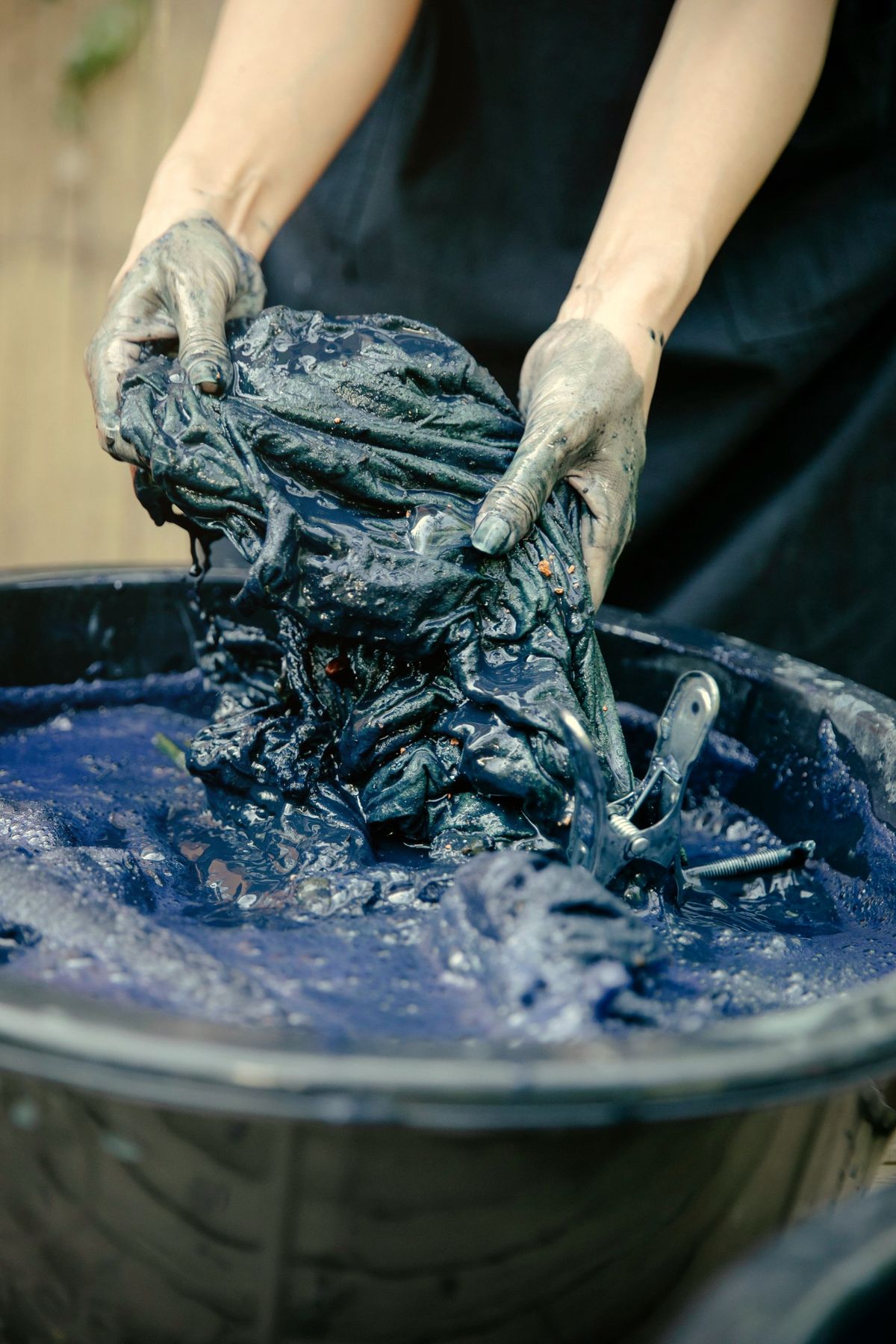 04 · DyeFibre takes the colourLeaves, flowers and roots become dye, and fibre is dipped until it holds the shade.
Why colour should be natural
Synthetic dyes are one of the most ignored and harmful parts of making textiles, for the planet and for us.
We think we can do better.
Most textile colour today is made from petrochemicals and fixed with heavy metals. Dyeing uses huge amounts of water, and the waste ends up in rivers.
Synthetic dyes are less than 170 years old: the first was made in 1856. Before that, every colour came from plants, insects and minerals. That knowledge is our root, and we are scaling it up for today.
Our colour
Four ways we
make natural colour
Some colour we grow. Some we rescue from industry waste. All of it is fixed and finished without harmful chemicals.
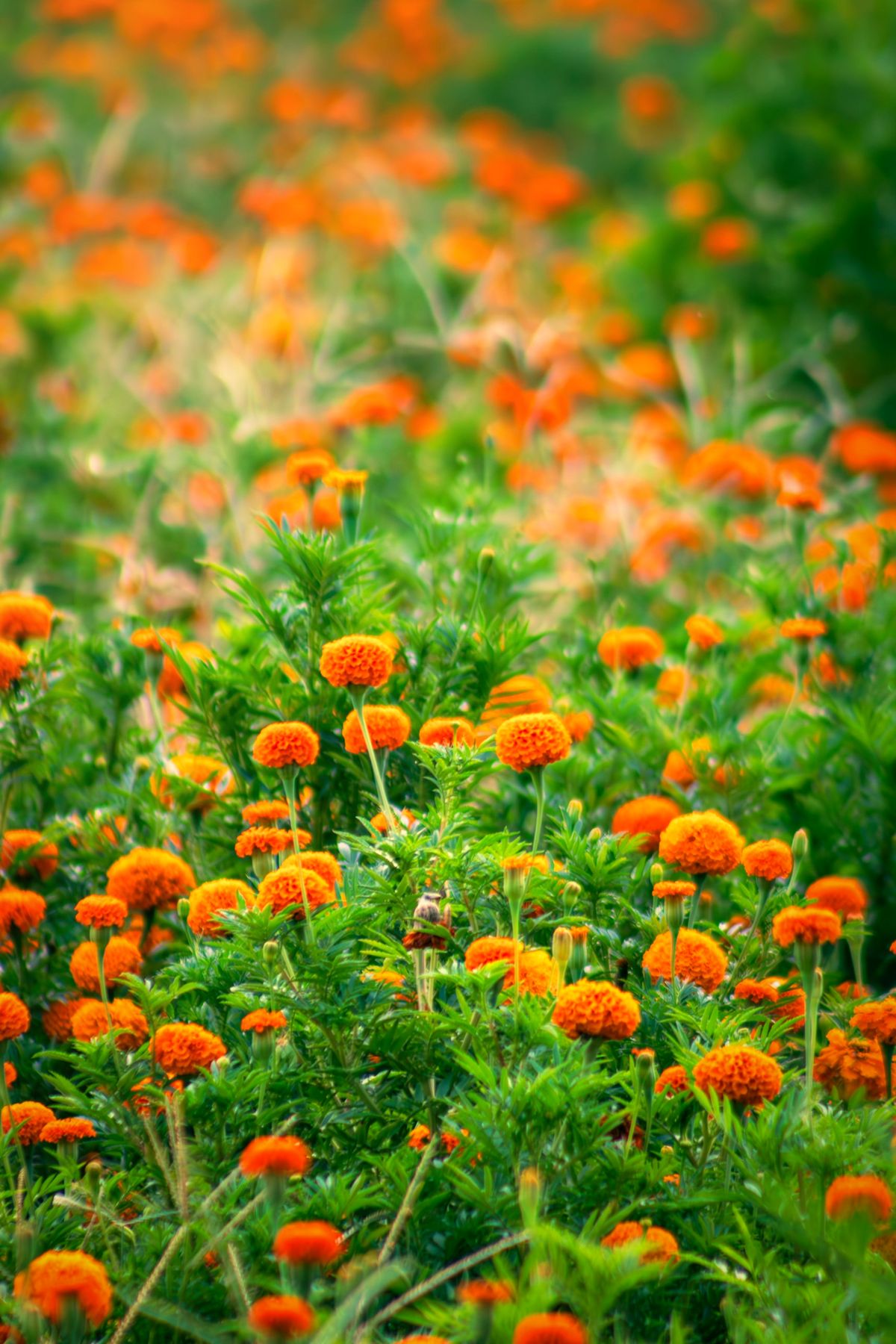 01Dye crops25 acres of dye plants in the South West, grown on land managed for bees, butterflies and birds.
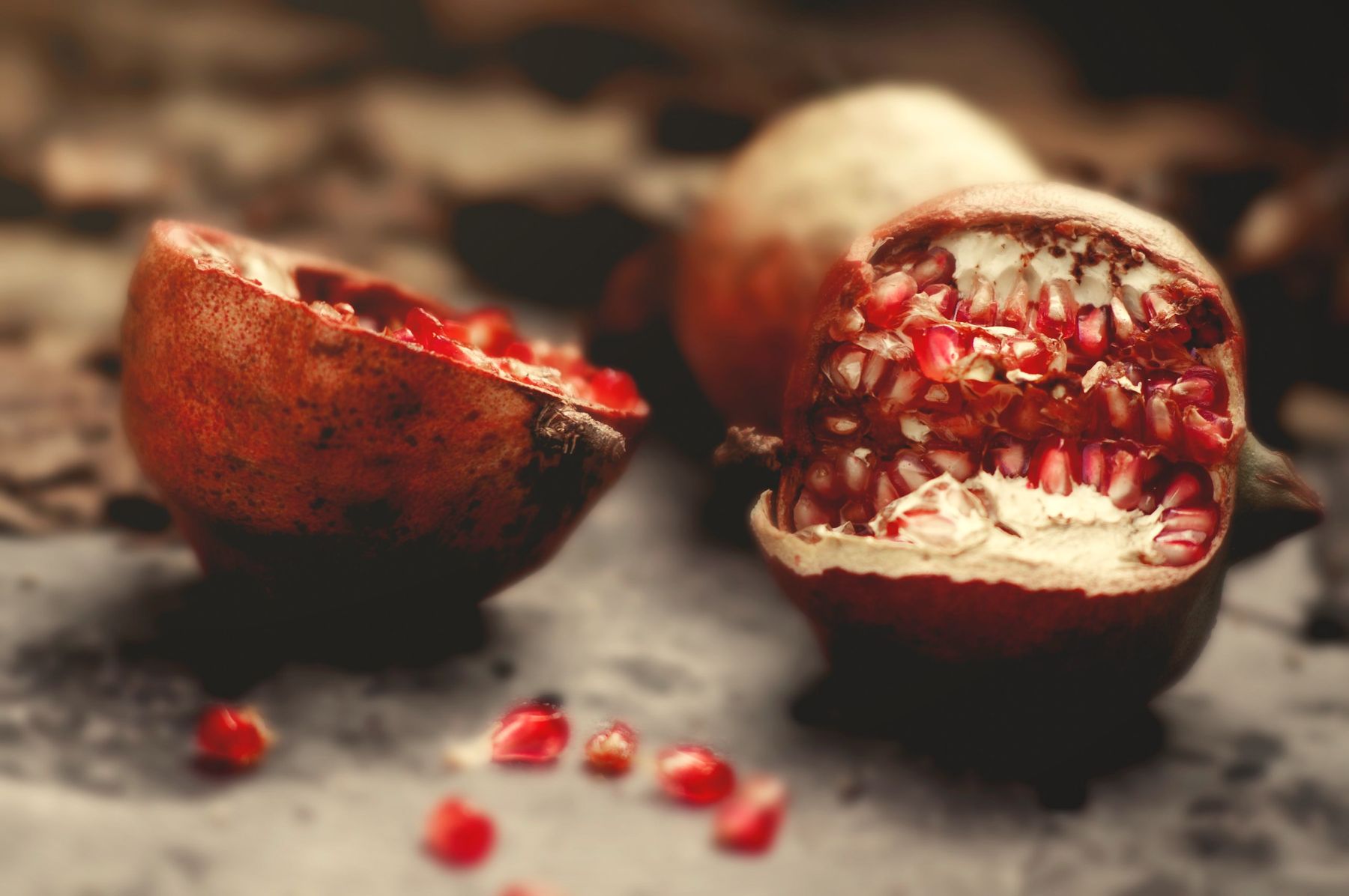 02Industry wasteA second harvest from what food, farming and forestry throw away. Pomegranate skins give green and tannins.
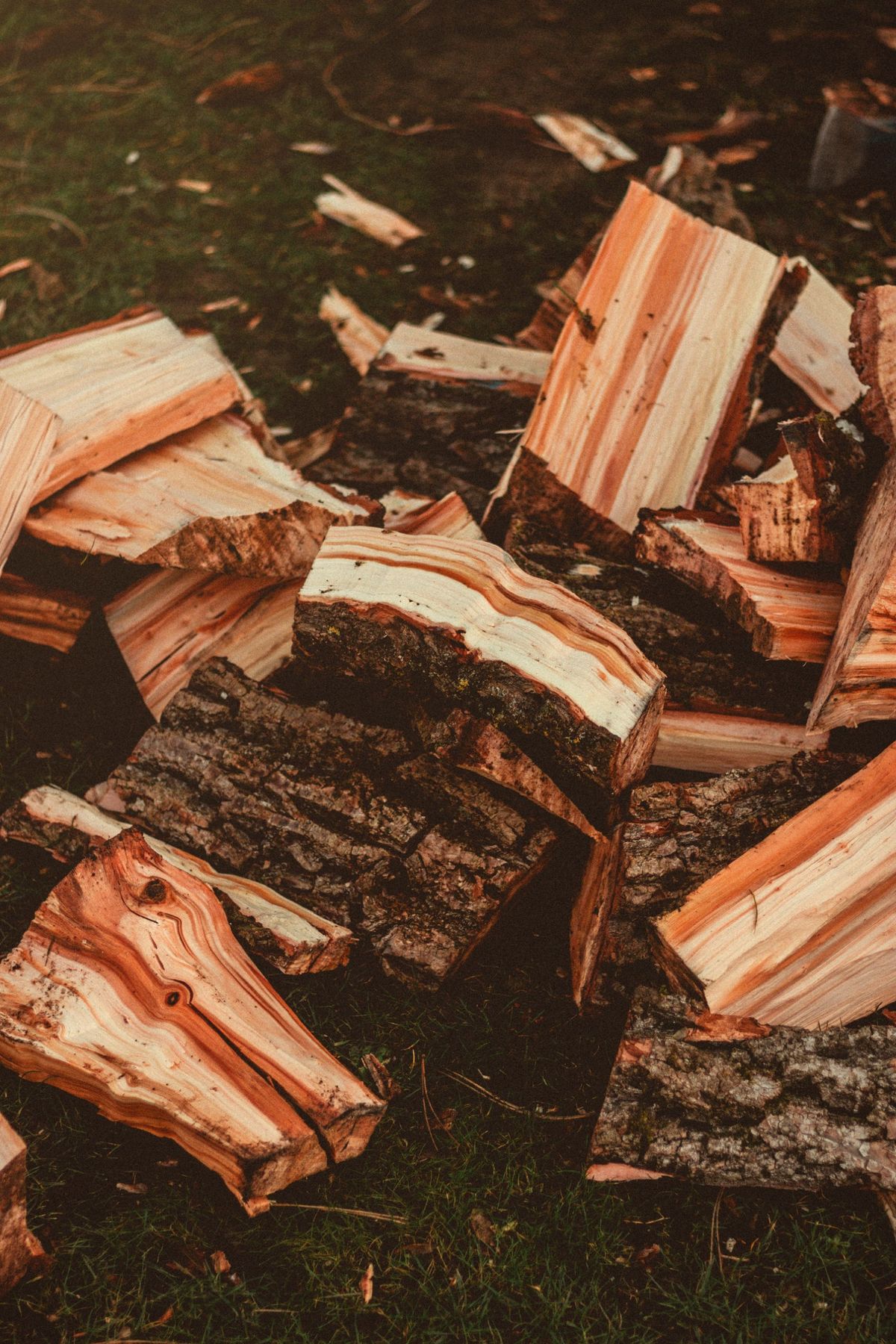 03Clean mordantsBark gives colour and tannins that help fix dye to fibre, without heavy metals.
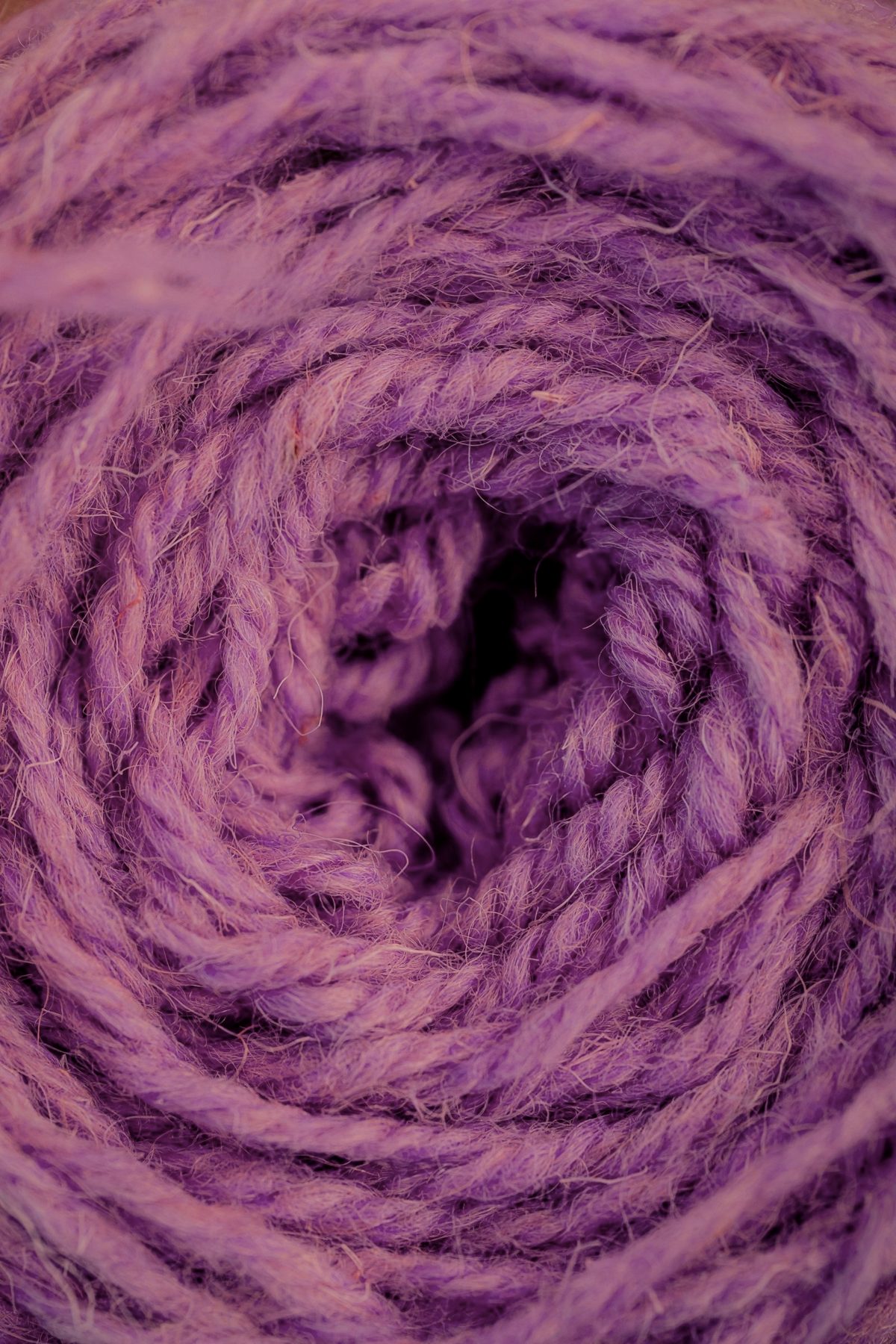 04OverdyeingDipping one colour over another to open up a whole palette from just a few plants.
25 acres
Our dye
fields
We are planting 25 acres of dye crops in the South West. Not all that is green supports biodiversity. We hope to change that by planting this lifeless monoculture of grassland with heritage dye plants.
A mix of annuals and perennials, grown on land managed for wildlife, with no chemicals. After harvest everything is dried and worked on site in a barn built to make the most of natural warmth.
About nature recoveryThe field today, before planting
Waste as dye
A second
harvest
Industry throws away a lot of colour. Skins, husks and stones from food producers, cuttings from farms and bark from forestry all become dye. What is left goes back to the fields as compost.
Clean mordants
Fixing colour
without the harm
A natural dye needs a mordant to bind it to the fibre, and a modifier to shift its shade. Most rely on metal salts such as alum and iron, which can end up in waste water.
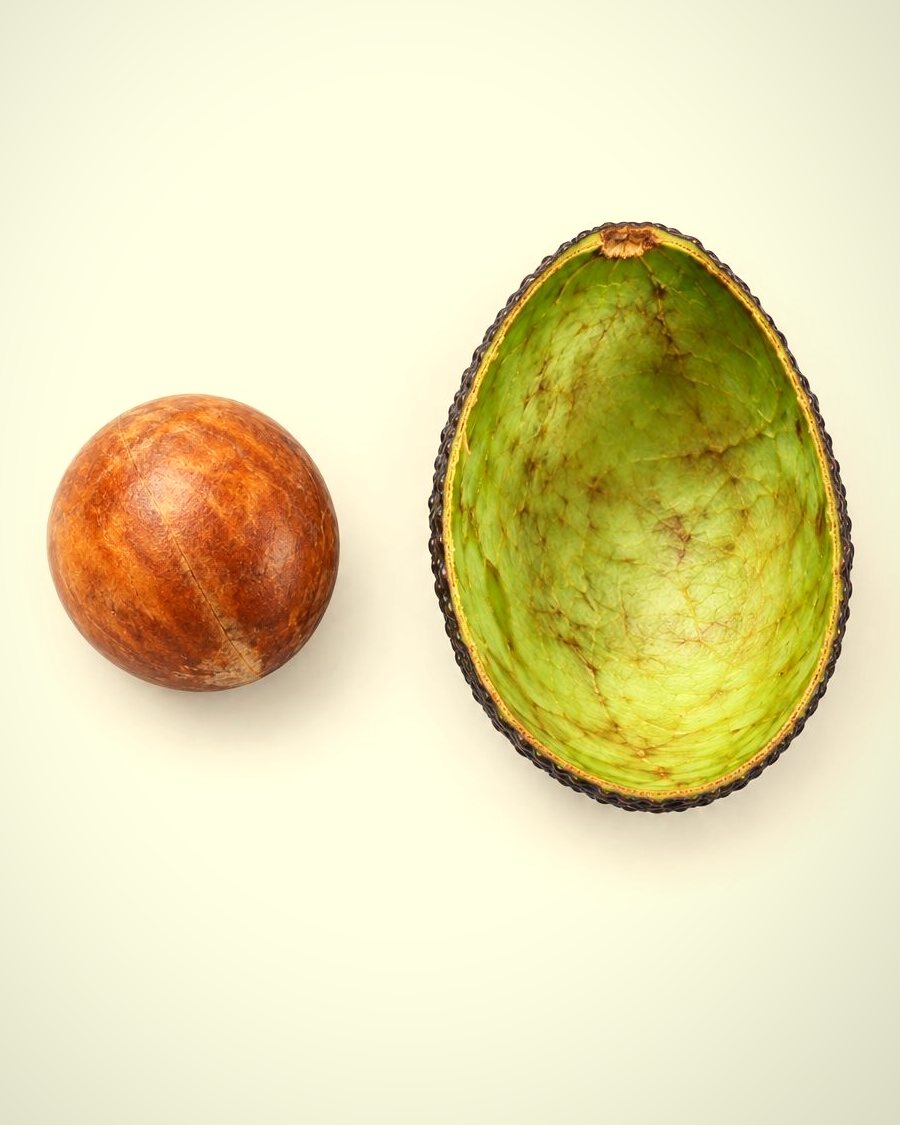
We are developing mordants and modifiers from plants instead, using the tannins in bark, pomegranate and avocado. No heavy metals, so the whole process is as clean as the colour it starts from.
Overdyeing
A few plants,
a whole palette
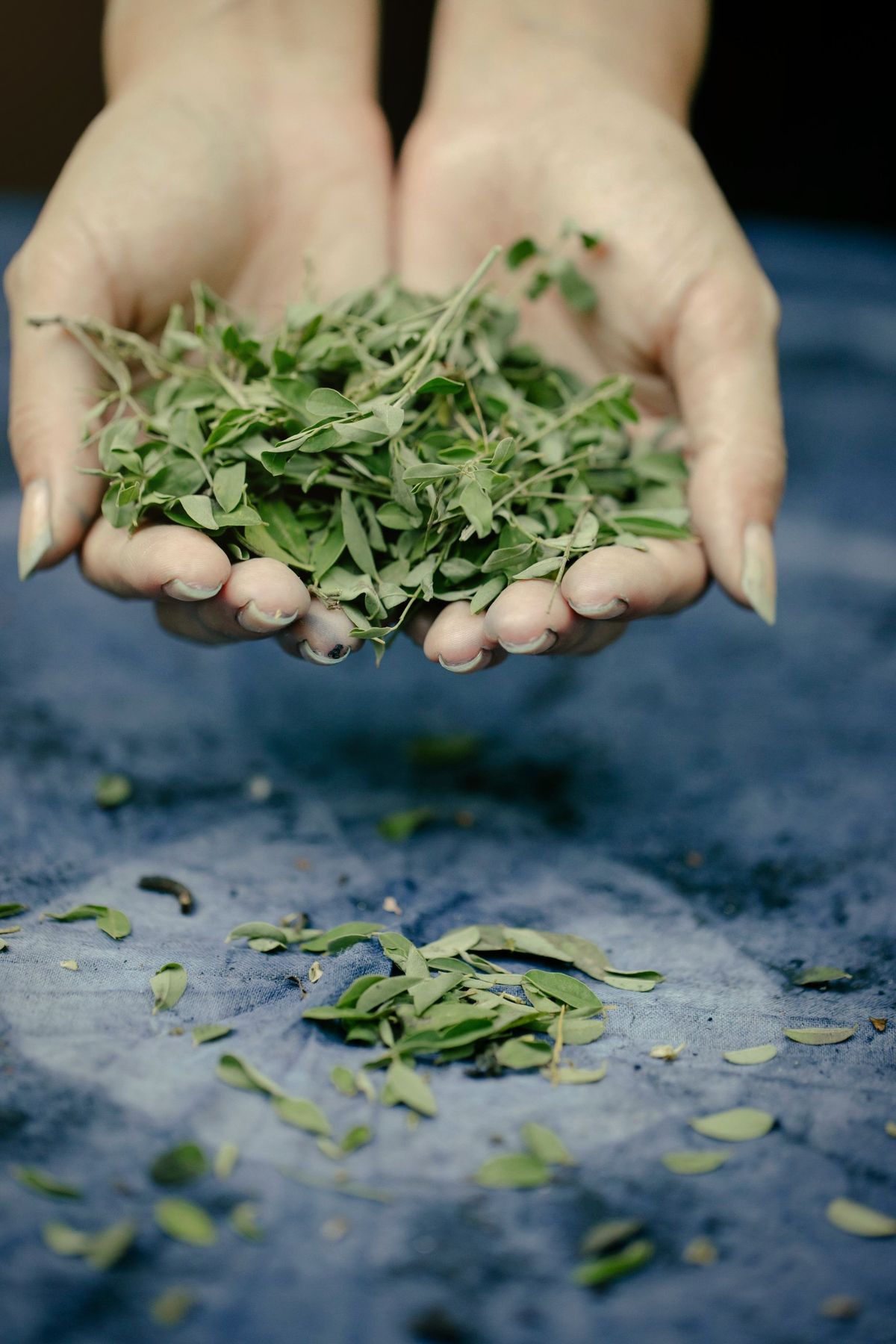
Overdyeing means dipping fibre in one colour, then another. Weld yellow under woad blue gives green. Madder red over woad gives purple. Lighter or deeper dips shift every shade again.
It lets us make a wide range of colour from a small number of plants, so we grow less and waste less. It also gives old cloth a new life: a faded piece can be dyed again rather than thrown away.
Clean all the way
Kind to rivers,
kind to skin
We collect and reuse the water from our dye pots, and when we need heat, it comes from the sun. No heavy metals go down the drain.
Made to be kept
Embrace
the fade
All colour fades in time, natural or synthetic. Naturally dyed cloth softens with you, can be dyed again for a longer life, and breaks down without harm at the end.
More about our colourColours from plants
What a field
can colour
We intend to dye animal and plant fibre, yarn, cloth and clothing using only the natural dyes we grow and process.
In a clean system we will only be using circular rainwater collection to negate fresh water use, and renewable energy harvested on site.
Mailshots from the field
Can't pledge
right now?
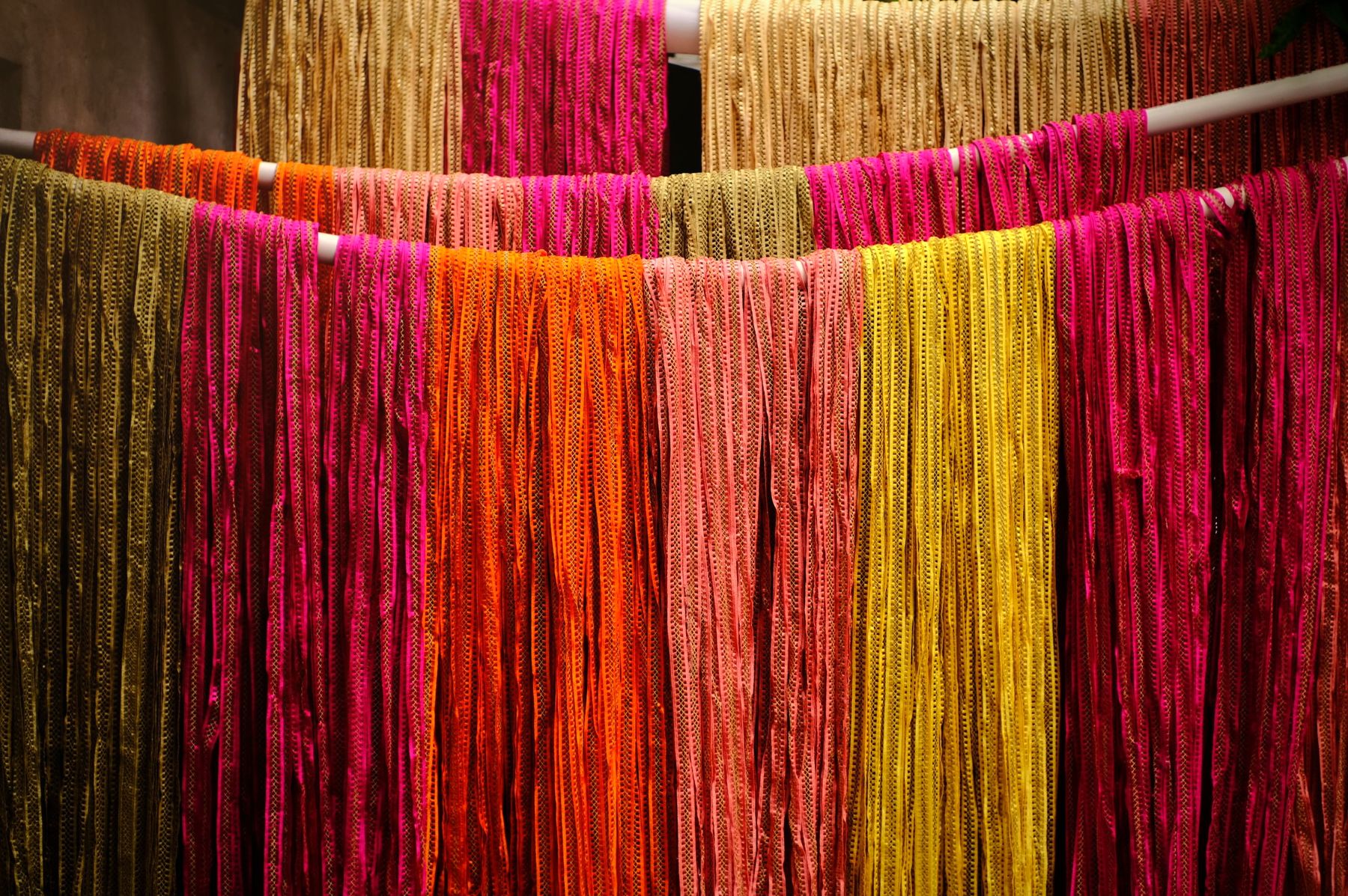
Sharing the campaign helps just as much. Or join our mailshots for news of sowing, flowering and the first dye pots.
Our colour
Taking on the
industry of colour.
We make colour and bio mordants from dye crops and from food, plant and industry waste, in a way that supports nature rather than harming it. No synthetic dyes, far less water, and colour that is gentler on the people who wear it.
Why colour matters
More than
a shade
Colour is one of the first things we notice and one of the last things we forget. It carries culture: every place and people has colours that mean celebration, mourning, belonging or faith, many of them first made from the plants that grew nearby. It shapes how we feel, lifting or calming a room, a day, a mood. And it is personal. The colours we choose to wear say something about who we are before we speak, a quiet reflection of our personality and style.
Because colour means so much, how it is made matters too. We think the colours we live in should carry a good story, from a living field to the clothes on your back.
Myths about natural dyes
What people
get wrong
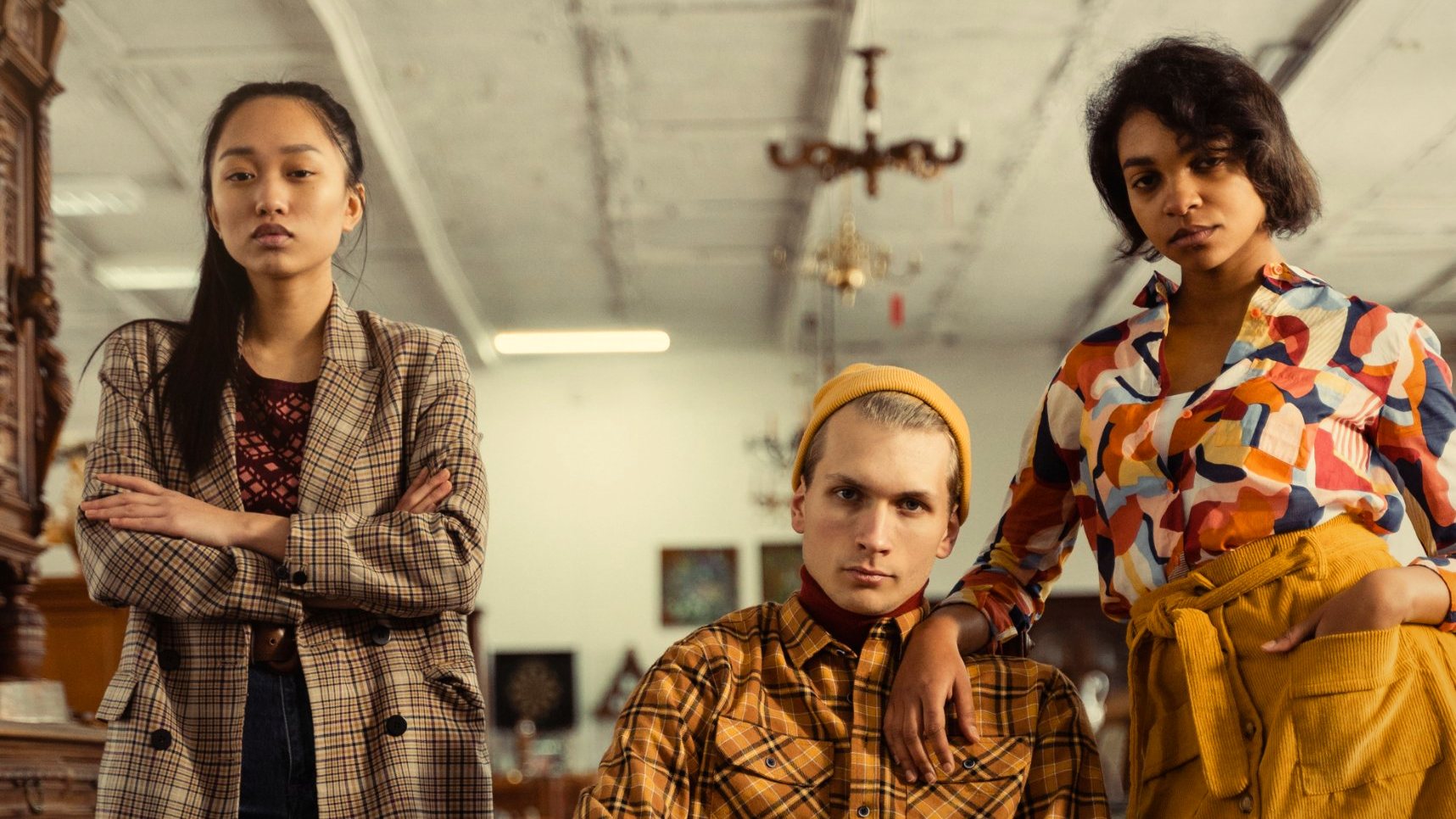
Natural dye has a reputation for being dull, fussy and fragile. Most of that comes from the last 170 years of synthetic colour, not from the plants.
MythNatural dyes are all browns and beigesMadder gives deep reds and corals, woad gives every blue from sky to navy, weld gives a bright clear yellow. Overdye them and you have greens, purples and oranges too.
MythThe colour is uneven and washes straight outWith the right mordant, clean fibre and natural detergents when needed, natural colour lasts. Textiles dyed with madder and indigo have kept their colour for centuries. All colour fades in time, synthetic included.
MythNatural always means harmlessNot always. Many natural dyers still fix colour with metal salts that can pollute water. That is why we are developing clean, plant-based mordants as well as clean dyes.
MythIt only works as a craftUntil 1856 every textile industry in the world ran on natural colour. The knowledge is there. What is missing is growing and processing it at scale, which is what we are testing.
MythYou can never get the same colour twiceEach harvest is a little different, and we like that. But careful growing, weighing and recording means shades can be matched closely from batch to batch.
MythGrowing dye takes land from natureGrown well, it can give land back. Our dye plants go into grassland that supports very little life, and much of our colour comes from waste that would otherwise be thrown away.
Our colour palette
Grown, gathered
and rescued
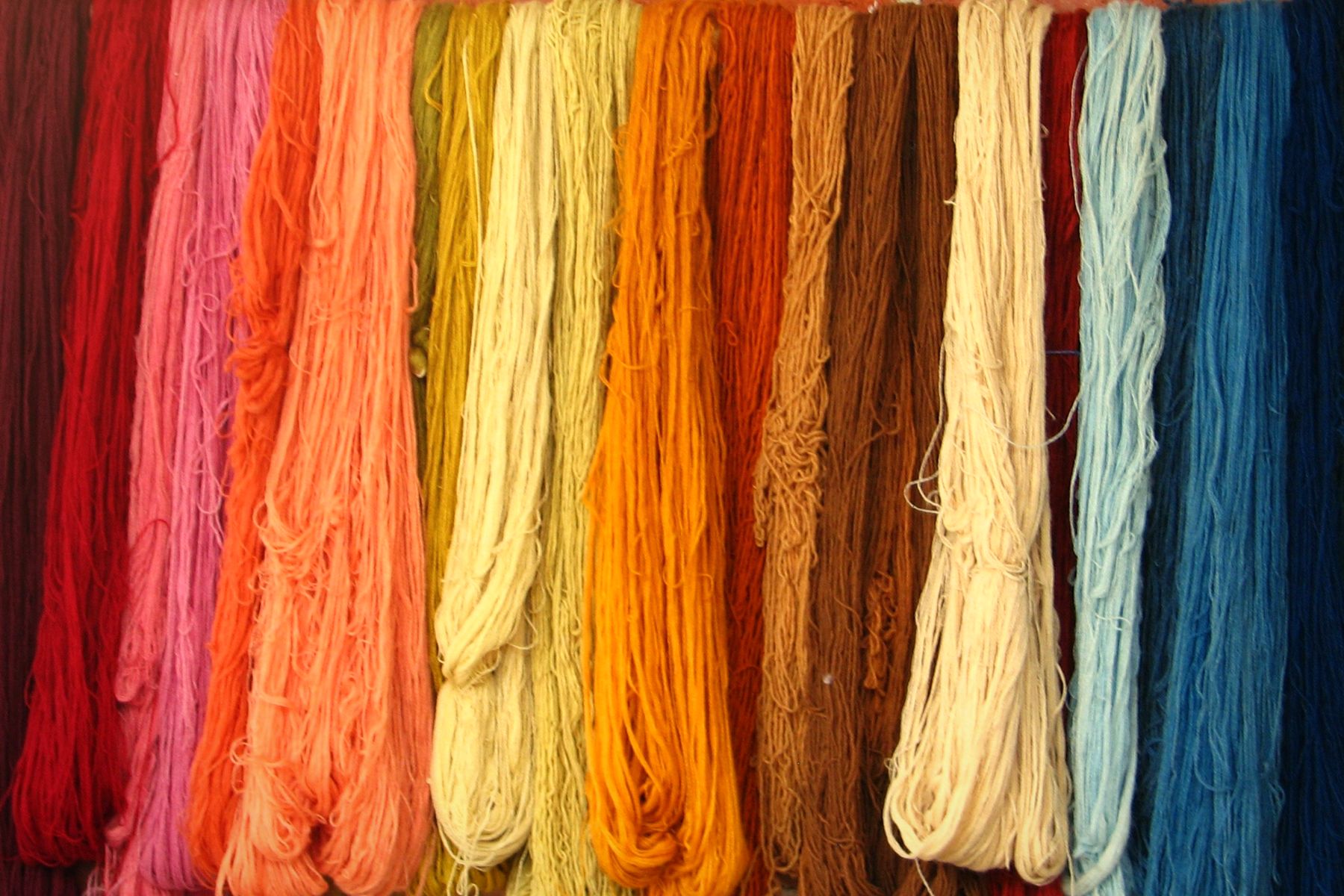
Every shade comes from a plant, a fungus, or waste from food and forestry, used on its own or overdyed with another to create the widest palette of shades possible.
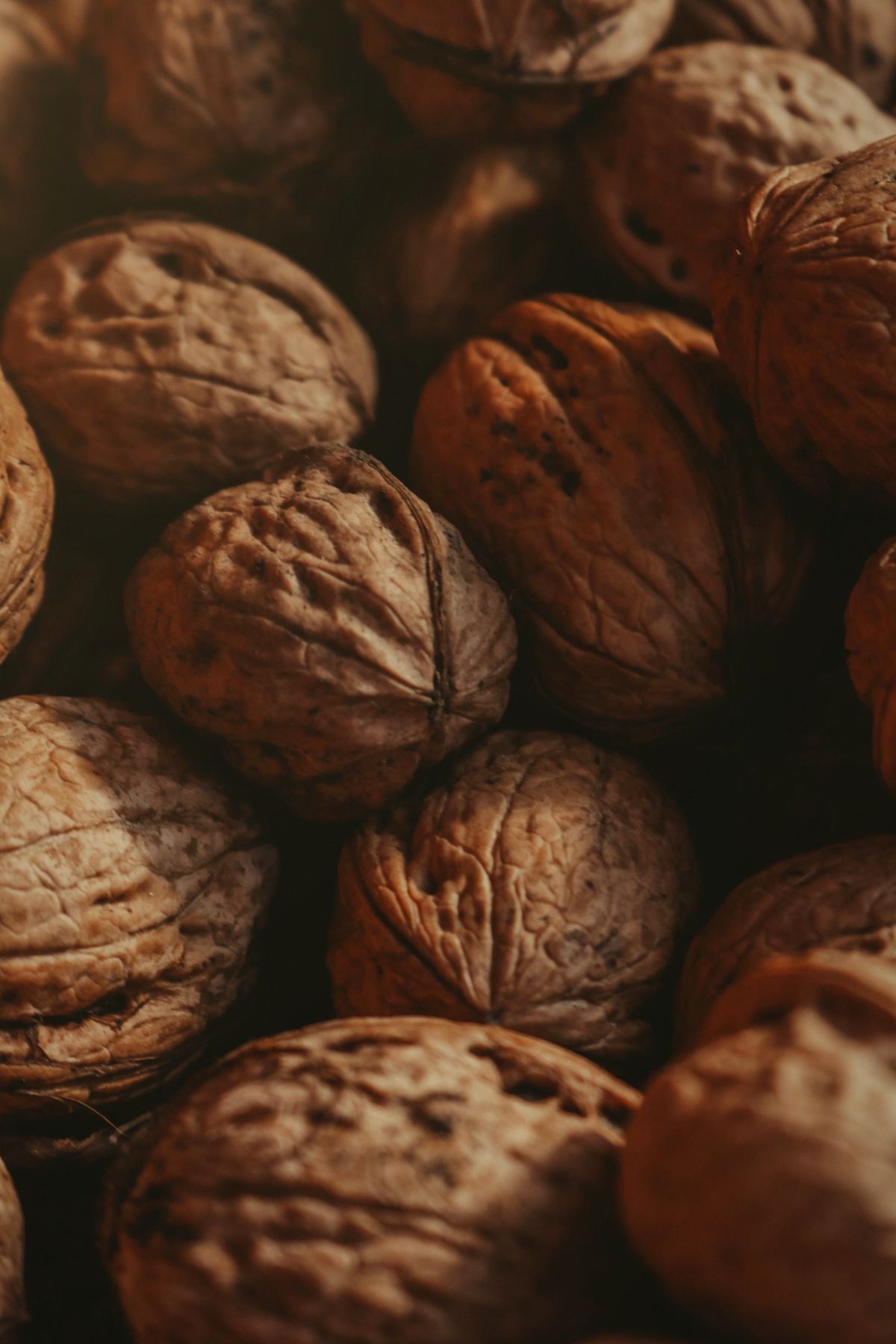
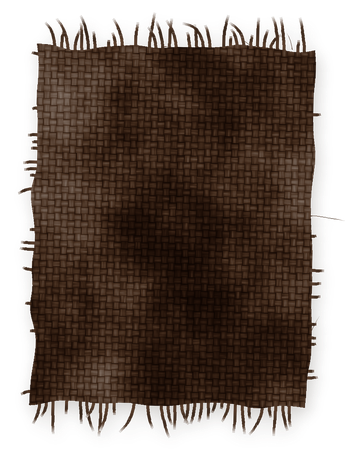 Dark brownWalnut
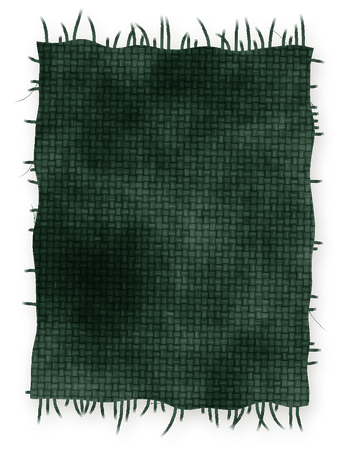 Dark greenIndigo over onion skin
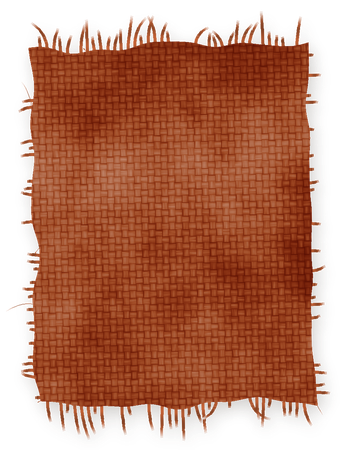 RustBracket fungi
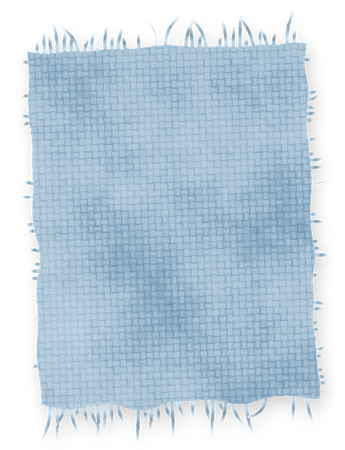 Pale blueWoad
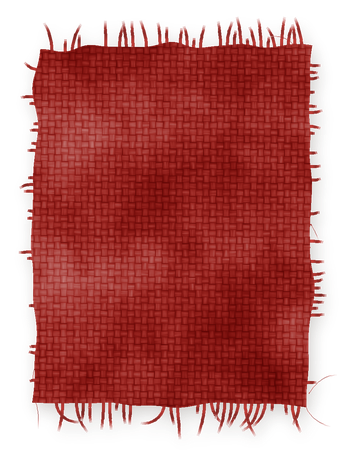 RedMadder
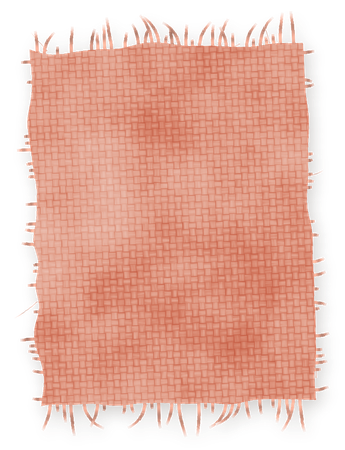 Salmon pinkAvocado
 Pale pinkEucalyptus
 Sage greenIndigo and weld
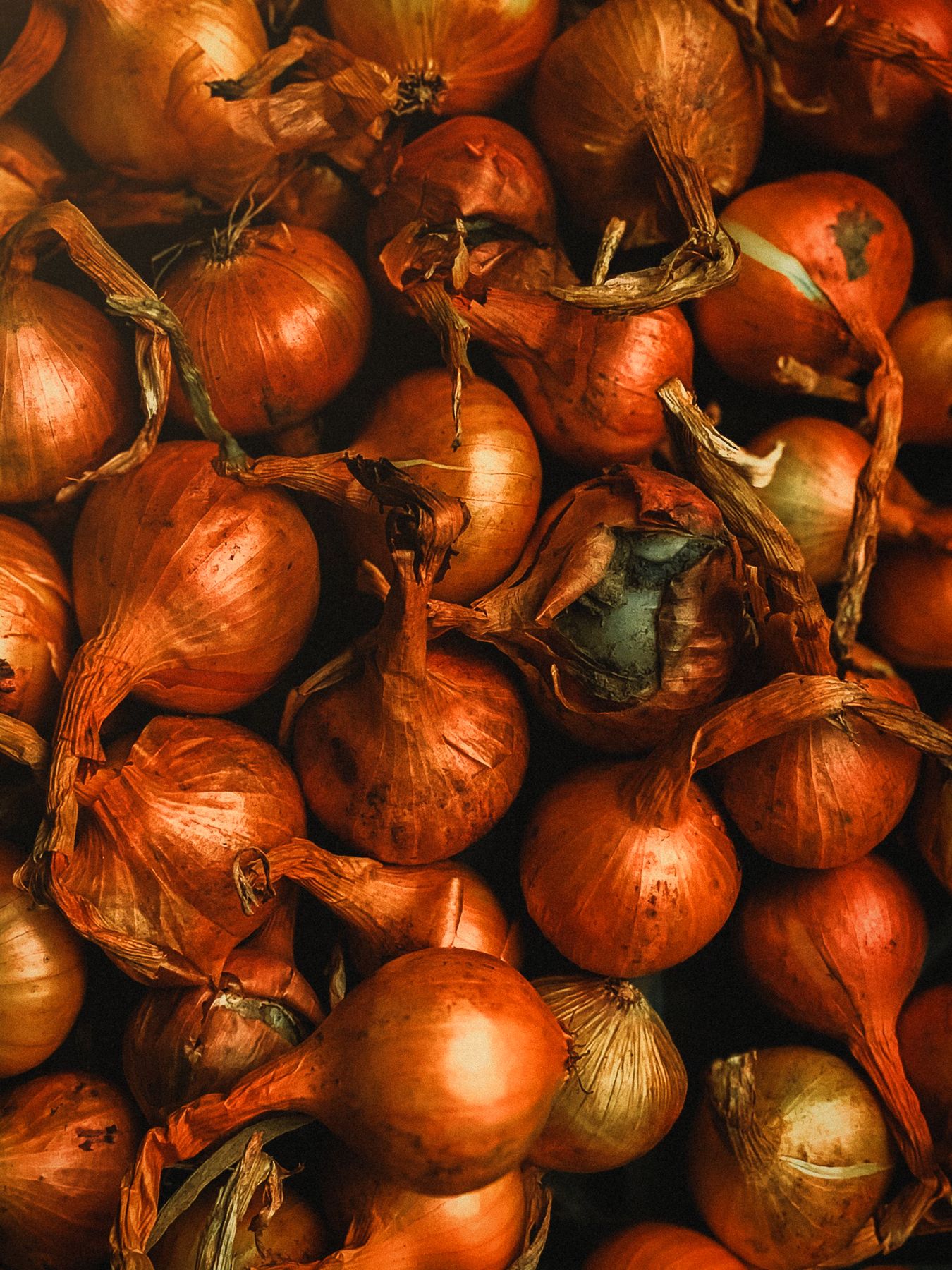
 Golden yellowOnion skins
 LemonDandelions
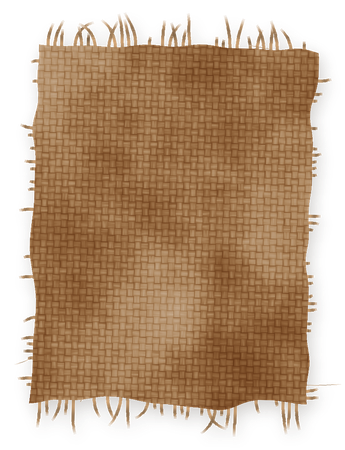 TanEarth
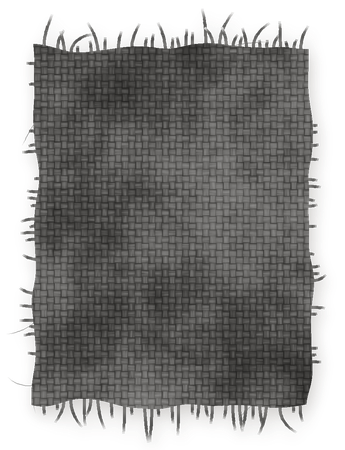 GreyCharcoal
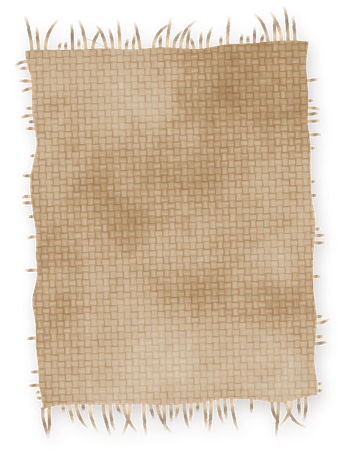 BeigeCoffee
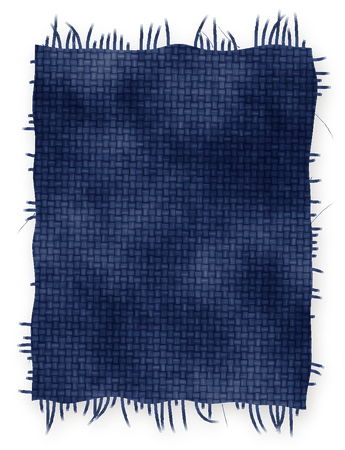 IndigoIndigo
 KhakiMarigold and weld
What we dye
From fleece
to finished piece
We will be dyeing fibre, yarn, cloth and garments, using only the natural dyes we grow and process. We will be using coloured wool for greater colour tonality and depth.
Natural dyes work on natural fibres. We are developing bio mordants that fix the colour to the fibre, and testing them on our own cloth, which we are making in the WDO50 mill.
FibreAnimal and plantWool, including naturally coloured fleece for deeper, more layered tones, and plant fibres such as nettle, dyed loose before spinning.
YarnSkeins and conesYarn dyed in small batches, so every skein carries the character of its harvest.
ClothWoven lengthsCloth coloured with plants from the field and clean mordants from start to finish.
GarmentsFinished piecesGarments dyed whole, and well-loved clothes given a new life by being dyed again.
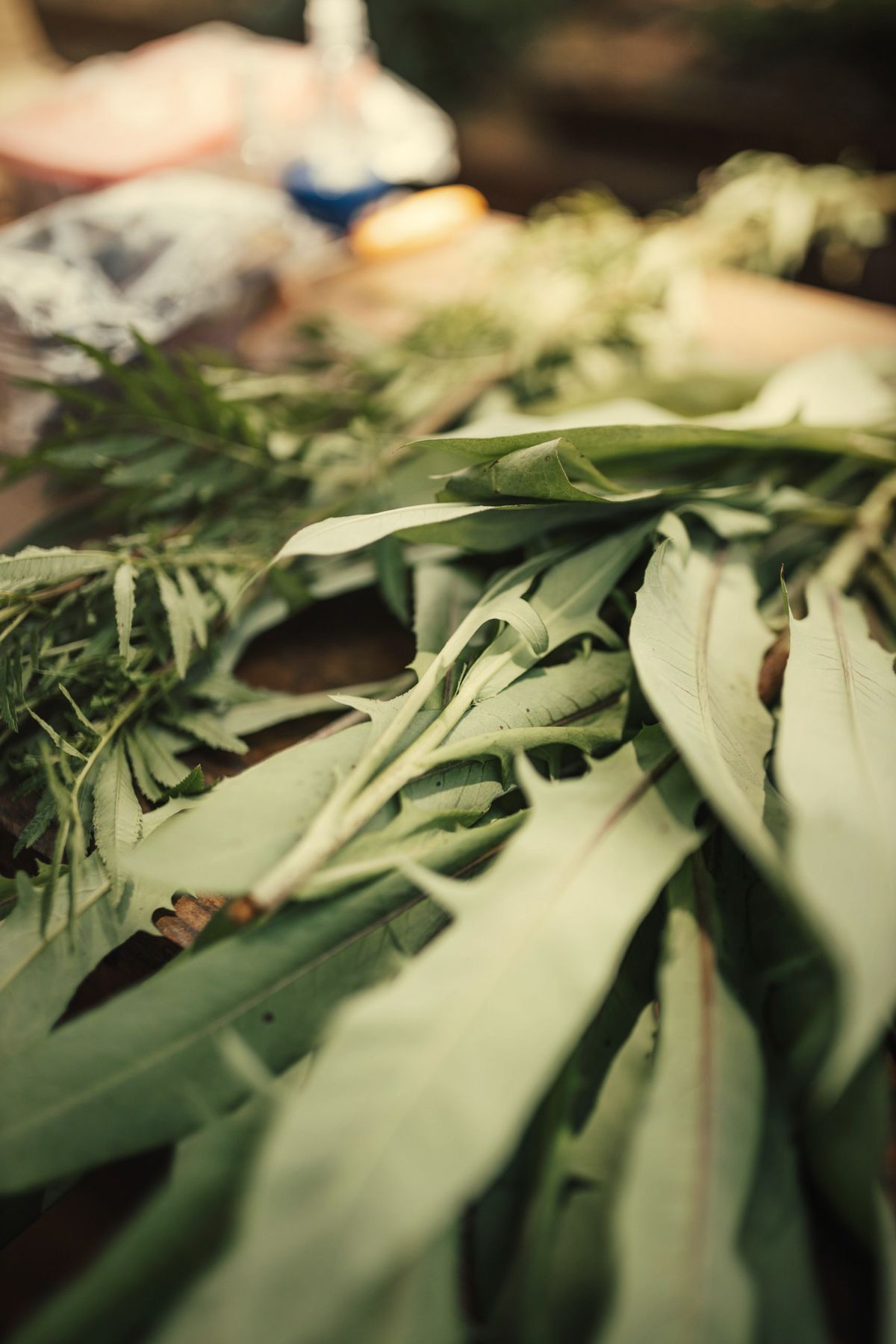
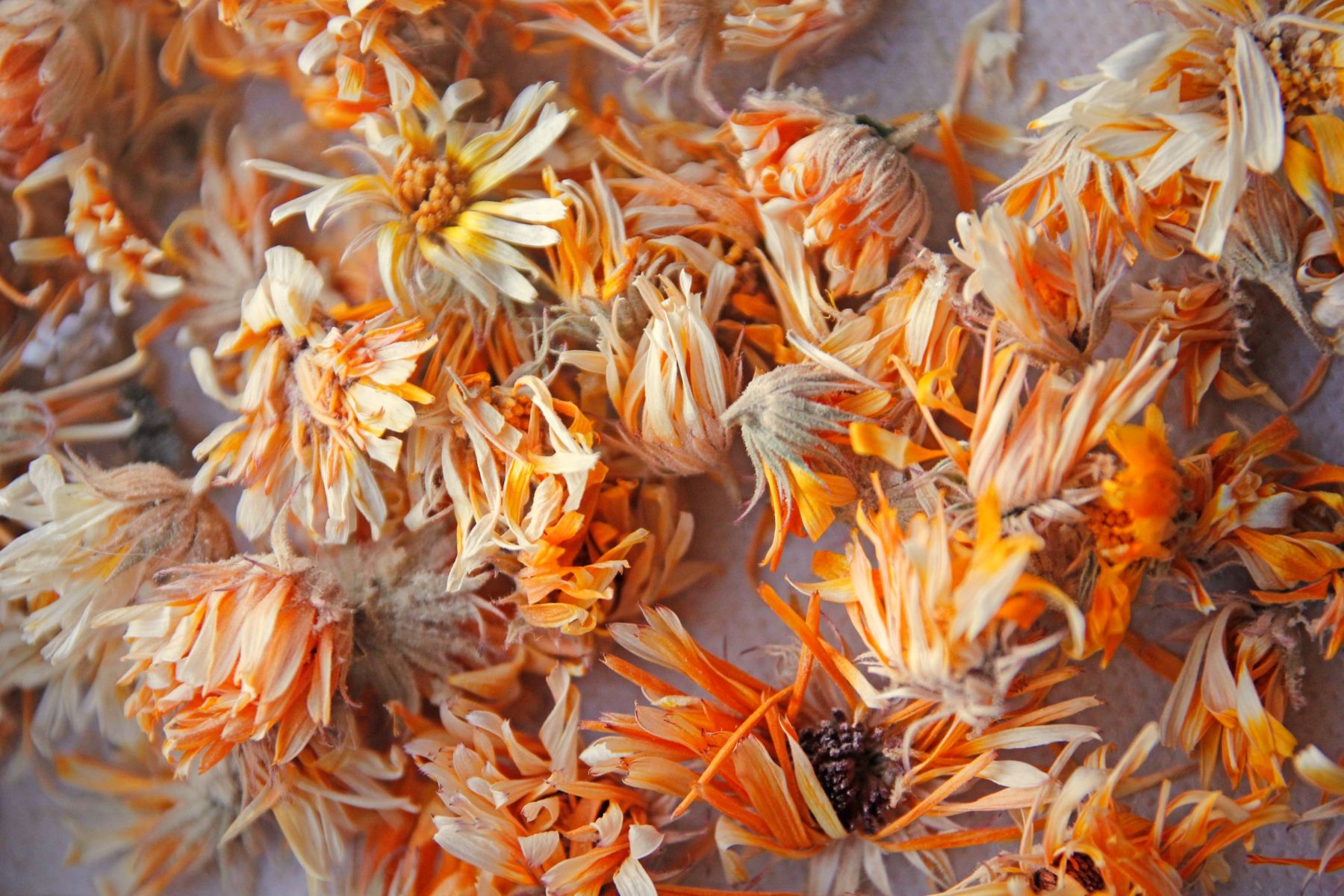
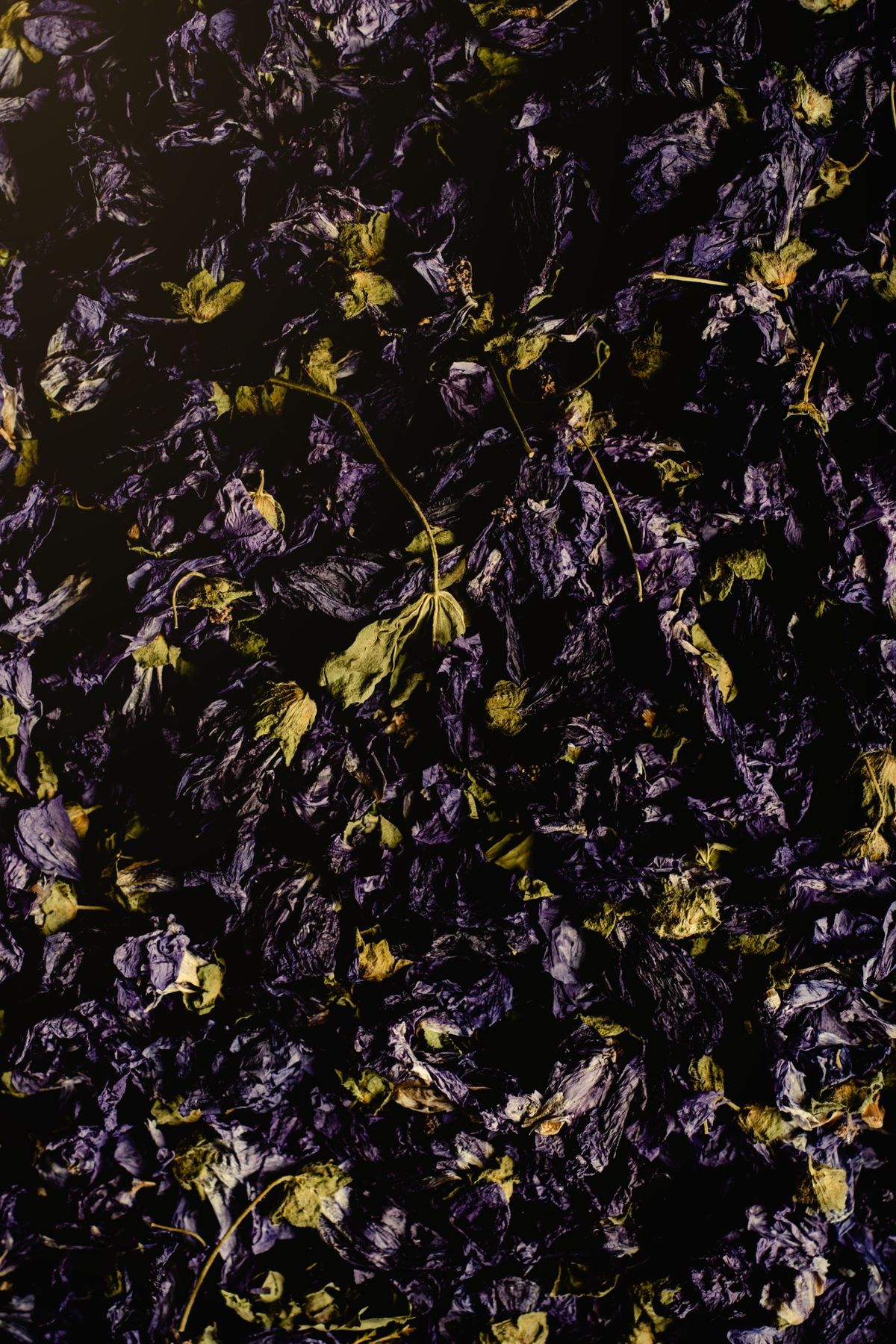
From the plant comes the colour
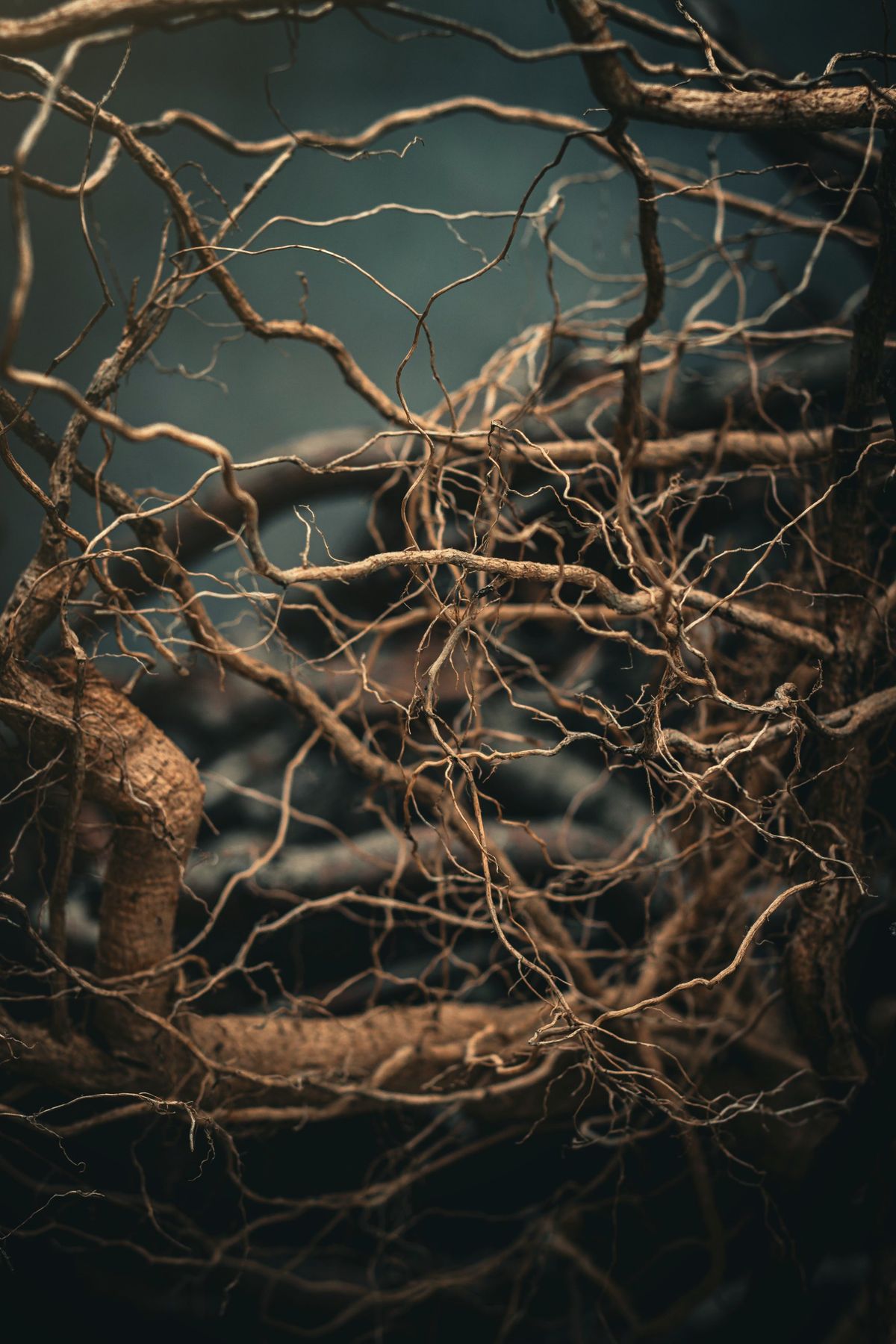
Nature recovery
Growing colour
for nature.
We are planting 25 acres of dye crops in the South West to find out if growing colour can help nature recover: more wildlife, more habitat and healthier soil, giving back what synthetic dyes have taken out.
Why it matters
A field can look green and still be almost empty of life.
Much of our farmland grows a single crop year after year. It feeds very few insects, birds or soil life, and the soil itself gets tired.
Synthetic dyes add to the harm further down the line, with oil-based colour, heavy metals and polluted water. We want colour to do the opposite and put life back into the land.
What we are doing
How a dye field
helps nature
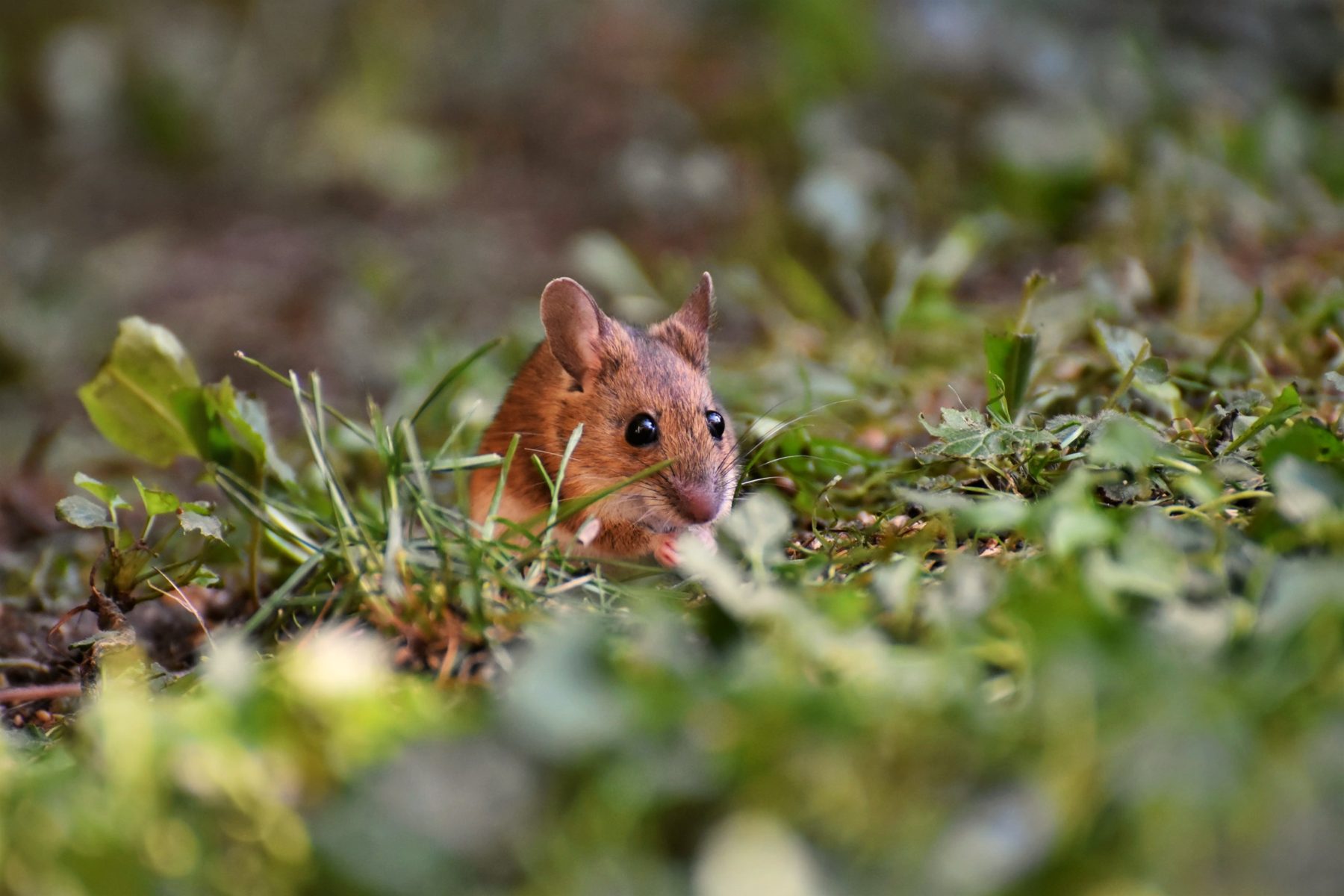
Dye plants are a good fit for nature. Many are native, flower for months and are loved by pollinators.
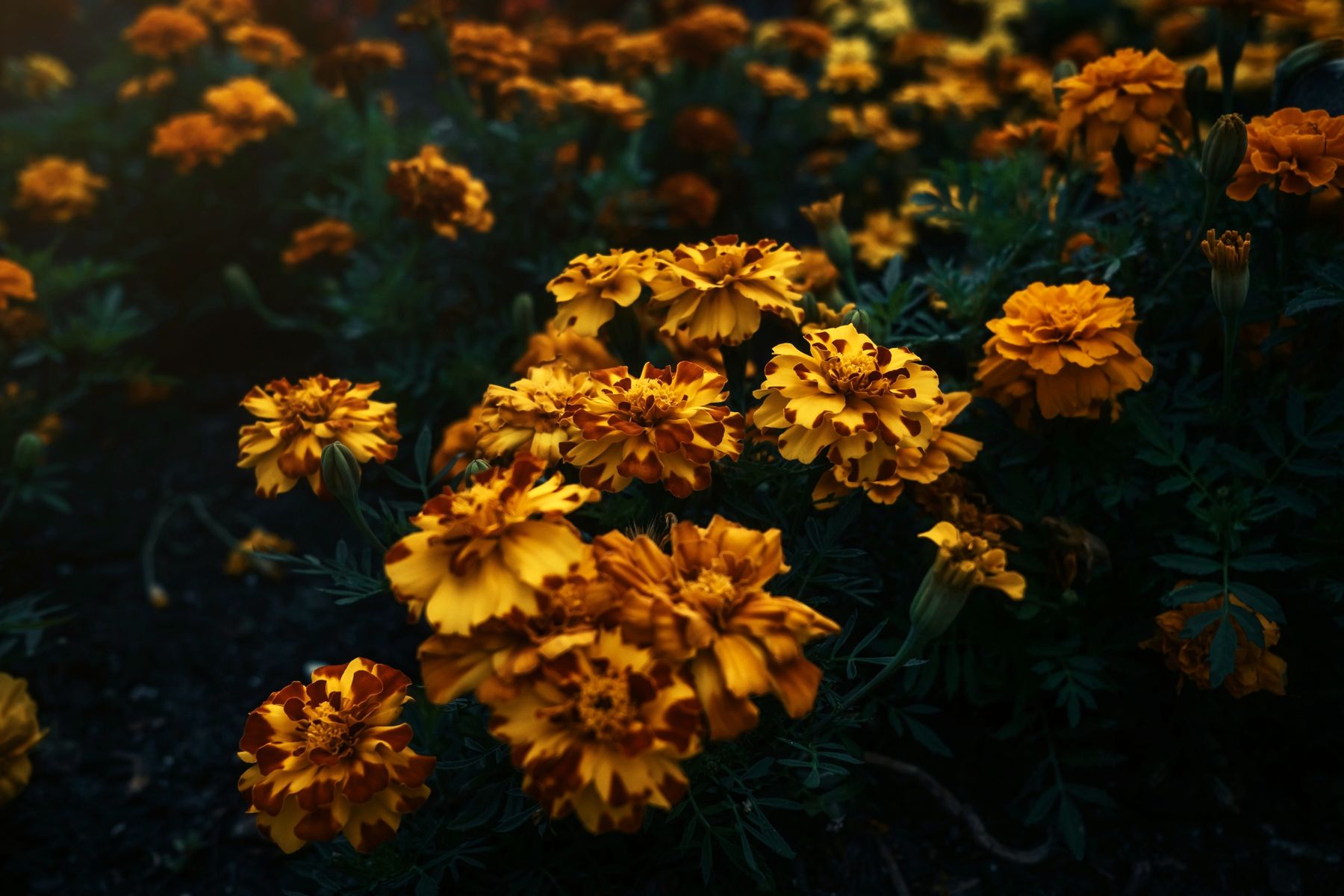
Flowers for monthsWeld, goldenrod, marigold and dyer’s chamomile flower through the summer, feeding bees, hoverflies and butterflies.
A mix of plantsAnnuals and perennials grown together, so roots stay in the ground, soil builds up and there is cover all year.
Room at the edgesHedgerows and wild margins around the fields give birds and insects food and shelter.
Nothing harmfulThe plants are grown for clean colour, so the fields stay free of the chemicals that would undo that.
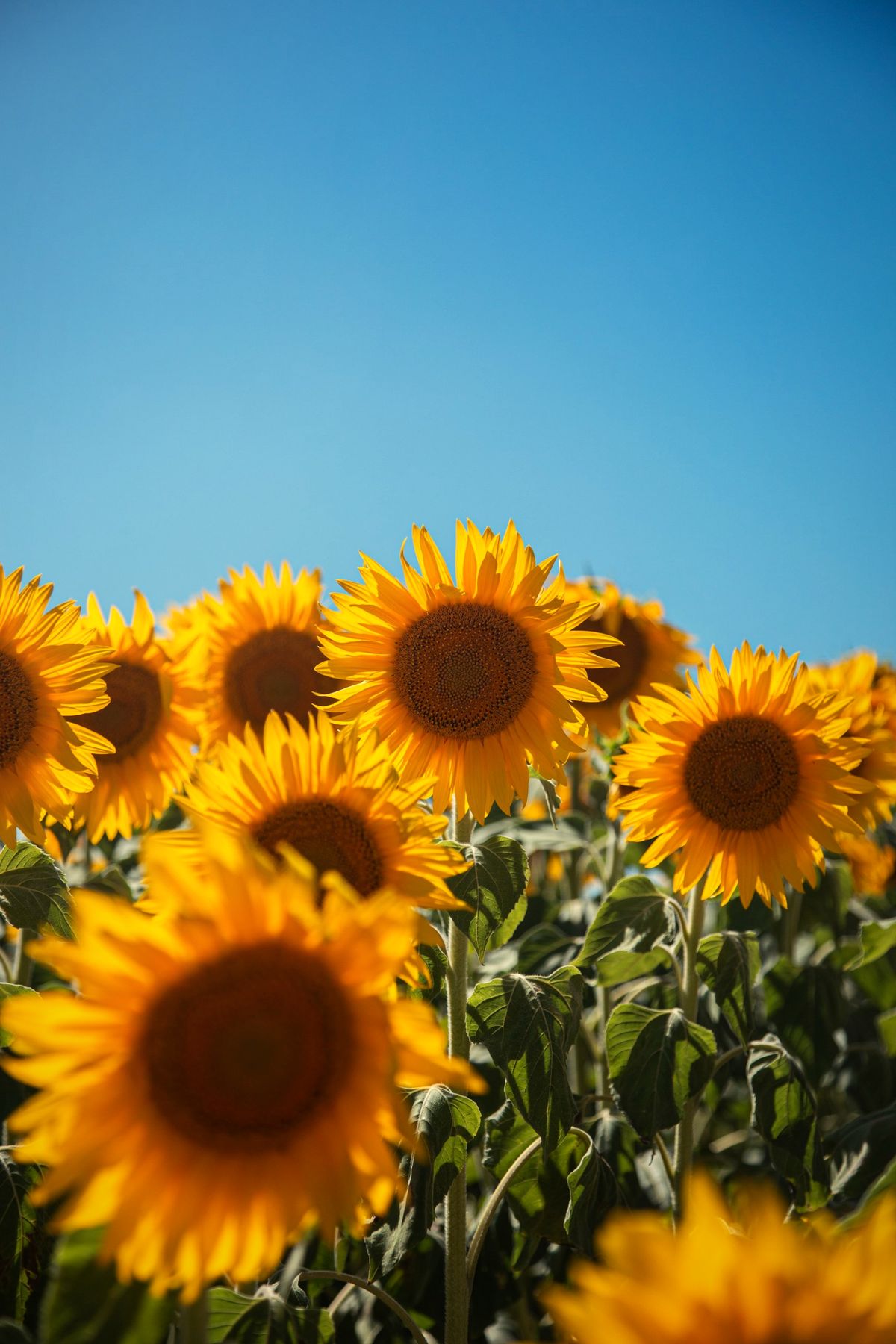
Who lives here
Bees, butterflies,
birds and us
The fields are a place for wildlife first and a harvest second. We only take what we need for colour and leave the rest to flower and seed.
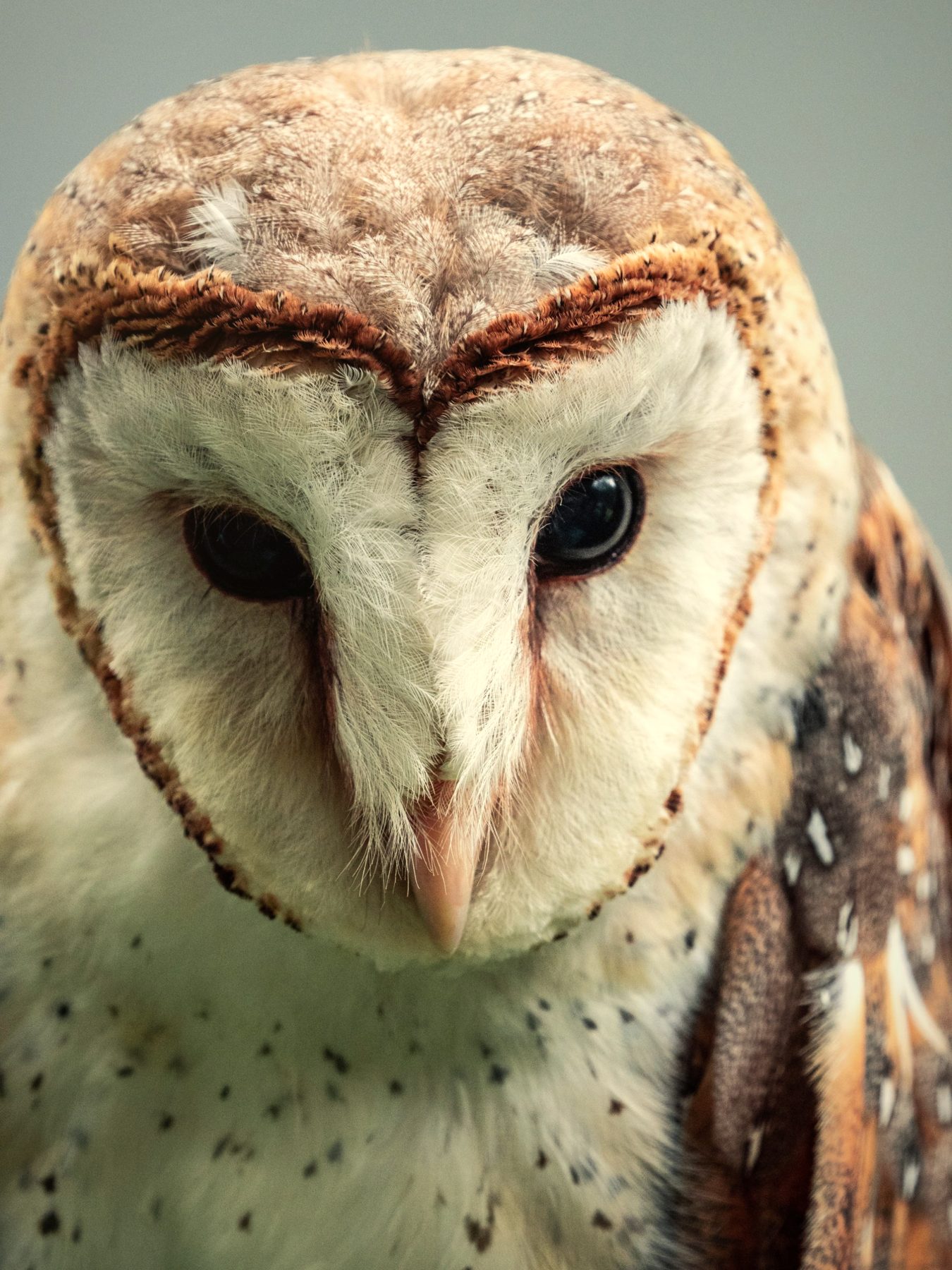
Nature surveys have already started to give us a baseline. We're putting in nature cameras, owl and bird boxes and wild hives, and making sure no chemicals are used on the site. Every quarter we'll survey again to see what has returned home.
For natureMore life on the landTesting whether dye crops can bring back habitat and biodiversity on land that has been farmed as a single crop.
For farmersA new cropFinding out if dye plants can become a new source of income for farmers at a hard time for farming.
For textilesColour that gives backMeeting a growing appetite in the textile world for colour that is kind to people and planet.
From the fields
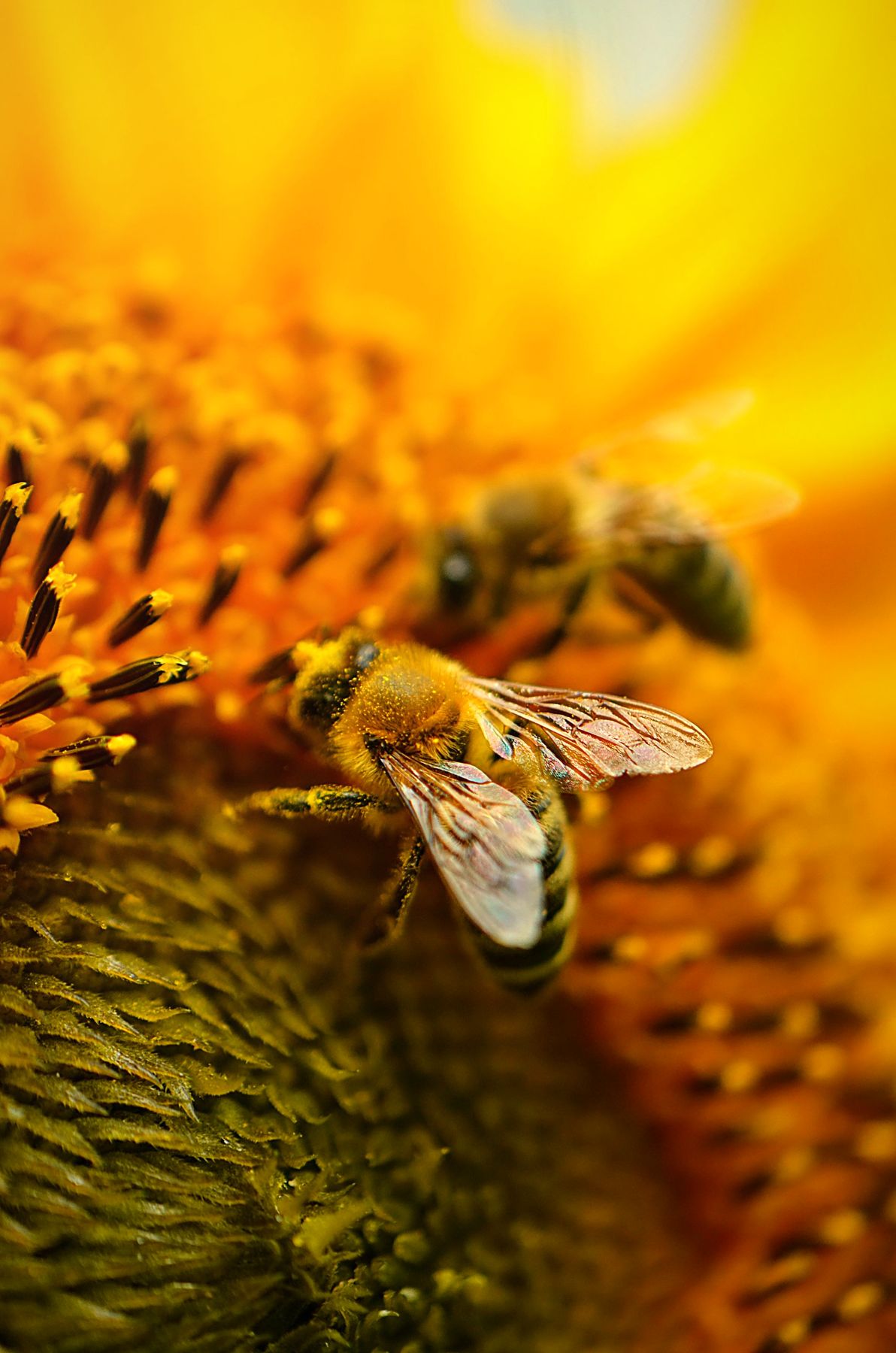
From field
to dye shed.
The fields grow the colour. Our crowdfunder kits out the shed where we turn it into dye, and the classroom where we share how.
Back usOur crowdfunder
Every pledge
plants colour.
We are raising £15,000 to turn our shed into a working dye studio, seed store, classroom and events space, so we can start turning plants and industry waste into natural colour, and open the doors for people to learn how.
Rewards
A thank you
from the fields
Every supporter gets their name listed as a founding supporter on this website, plus exclusive updates and behind-the-scenes videos by email.
Crowdfunder pledge
Where your
money goes
- £[X]Dye pots and vats for the shed
- £[X]Solar heating, so the dye pots run on sunshine
- £[X]Water collection, so we can reuse every drop
- £[X]Drying racks and storage for the harvest
- £[X]Tables, seating and kit for the classroom
Questions
Things people
ask us
What is Tincturian?
Tincturian is about making colour with nature. Based in the South West, we grow plants that make natural dye, look after the land for wildlife, take colour from industry waste, and use it to dye wool without synthetic chemicals.
What if you don’t reach the goal?
[Explain your platform’s rules. For all-or-nothing, no one is charged unless we reach it.]
When will my reward arrive?
Thank-yous and seeds go out from [MONTH YEAR]. Yarn and scarves follow our first harvest, from [MONTH YEAR].
Do you post outside the UK?
[Yes / UK only / extra postage applies.]
Can I get involved as a grower, maker or business?
We’d love to hear from you. Get in touch.
Who for?
Colour
for everyone.
Tincturian is for anyone curious about where colour comes from, and anyone who wants it to do less harm. Whether you are picking up a skein of yarn for the first time or changing how a whole business makes things, there is a way in.
For people
Come and
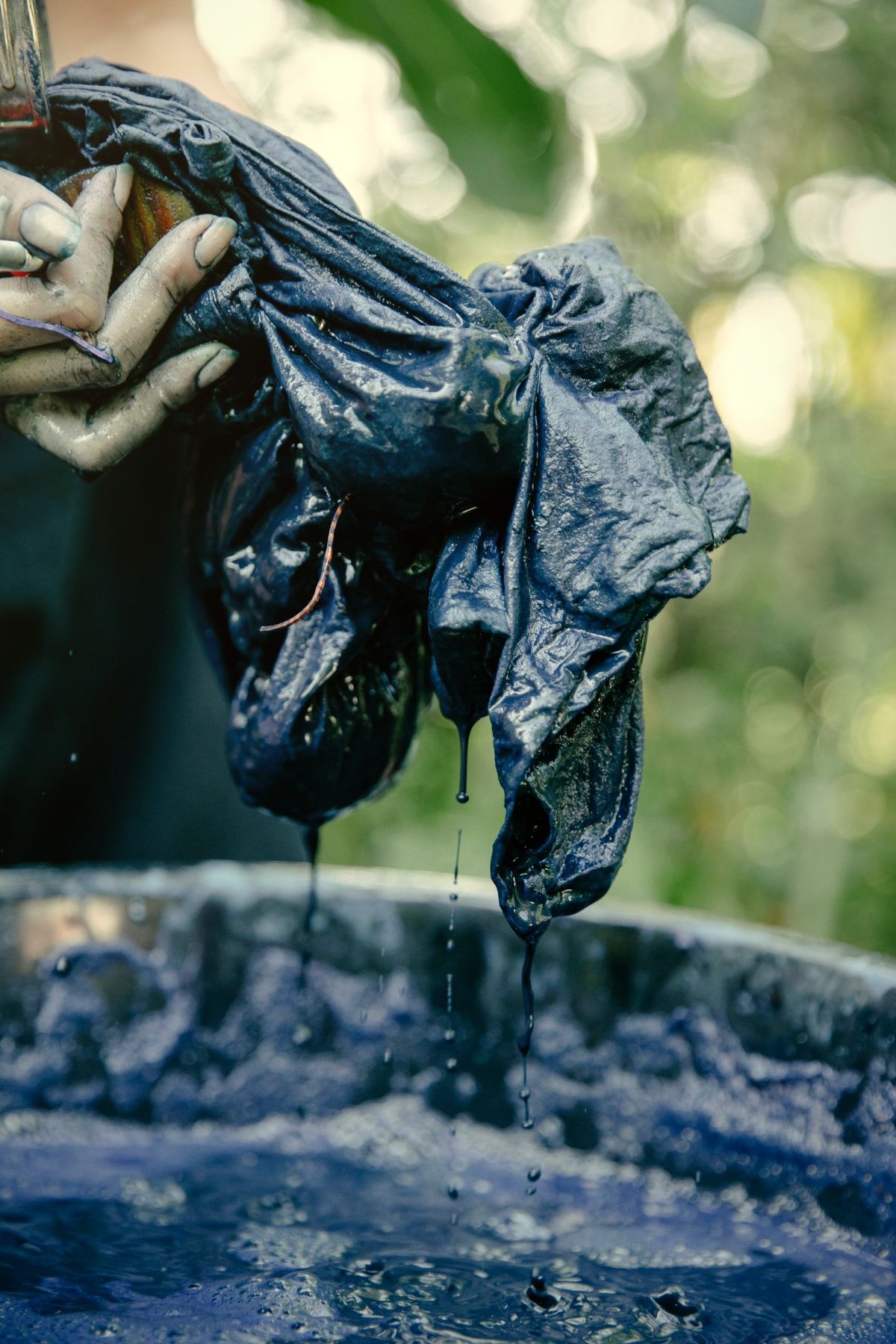
get your hands blue
Open days, events and workshops in the fields, the dye shed and the classroom, at the pace of the seasons.
EducationSchools, colleges, universities, community groups and families. A classroom in a working dye field, linking nature, science, art and making, and open to anyone who wants to learn how a plant becomes a colour.
Makers and craftersKnitters, weavers, stitchers and home dyers who want to learn natural dyeing or work with plant-coloured yarn and cloth.
Dyers and artistsPeople already working with natural colour who want to share knowledge, swap methods or test new dye sources.
For industry
Colour without
the harm
Tincturian is a test bed for natural colour at a scale industry can use. We want to work with the businesses that grow, waste and wear colour.
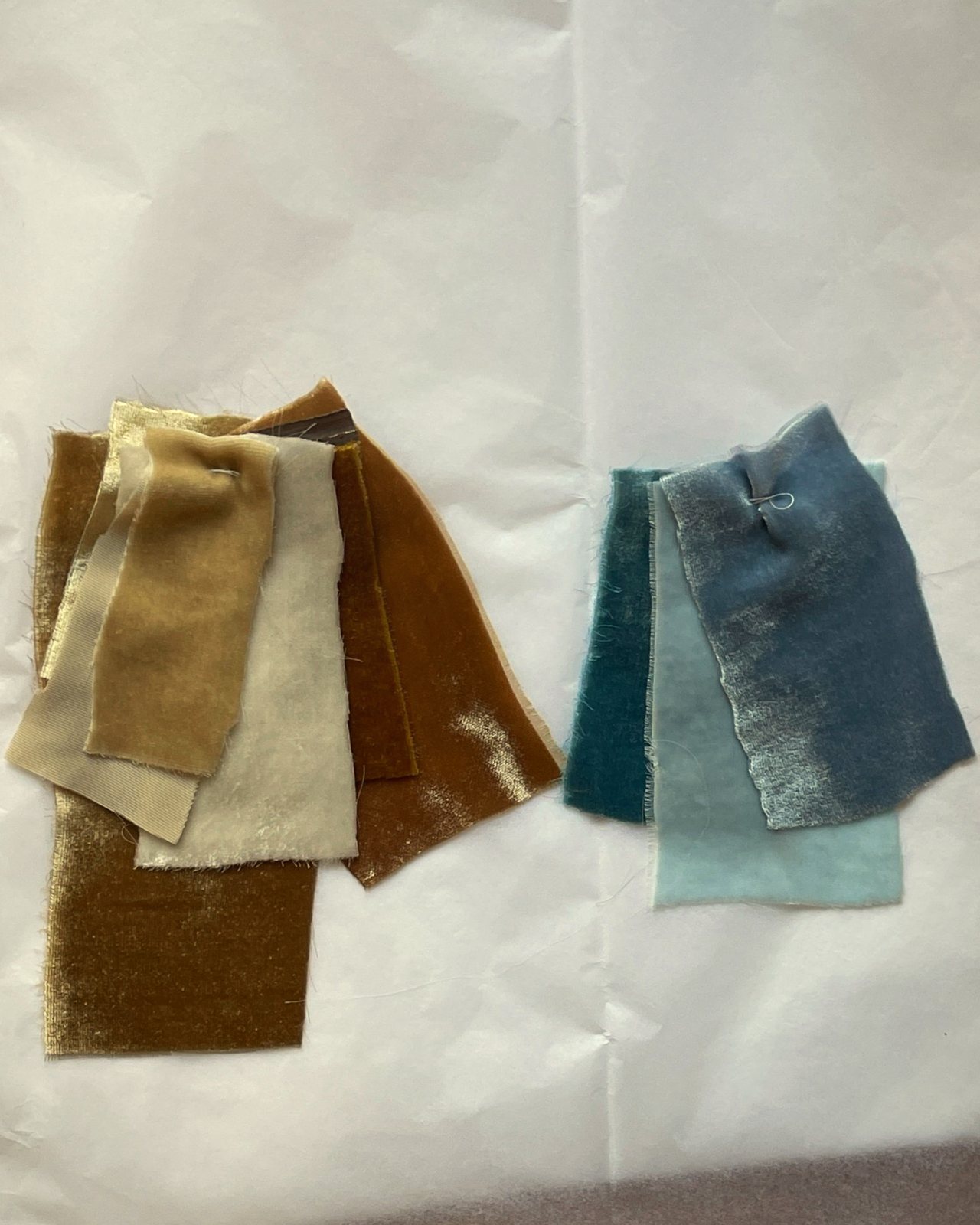
DesignersFashion, textile and interiors designers who want to work with plant colour from the start: sampling shades, developing palettes and designing for the fade.
BrandsBrands looking for clean, traceable natural colour for fibre, yarn, cloth and clothing, with a story they can tell from field to finished piece.
Food and drink producersBusinesses with skins, husks, stones and peels to spare. Your waste could be our next colour.
Farmers, foresters and land managersExploring dye plants as a new crop, and bark and cuttings as a source of colour and tannins.
ResearchersPartners interested in nature recovery, clean dyes and mordants, and how natural colour can scale.
Funders and partnersOrganisations who want to back nature recovery, clean textiles and new rural economies.
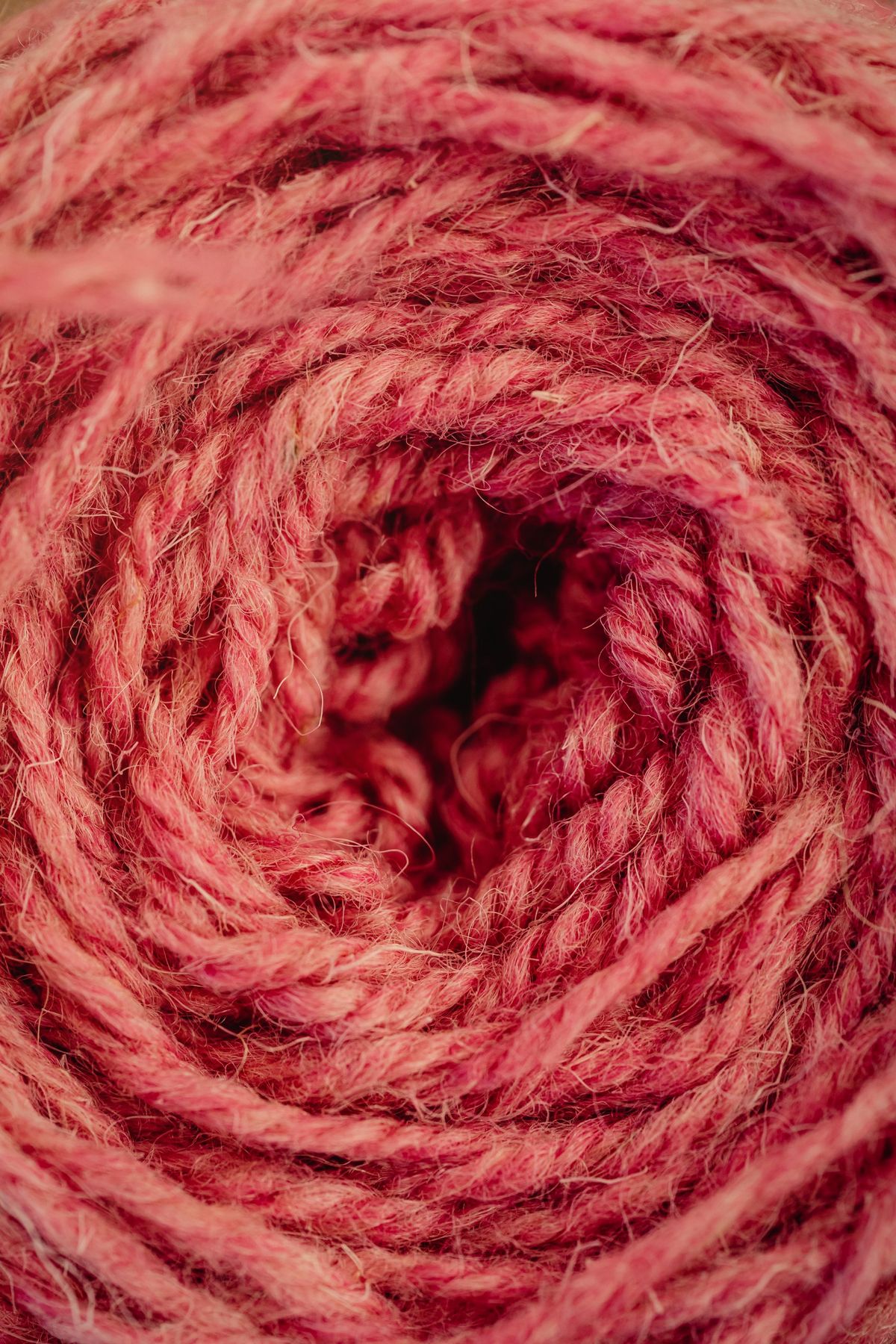
Get involved
See yourself
here?
Come to an open day, book a workshop, send us your waste or back the crowdfunder. However you want to join in, we would love to hear from you.
Join us
Come and
grow with us.
Tincturian is a project with community at its heart. We are keen to get people and industry involved with the project.
Over the next three years we'll be holding events, open days and workshops that encourage everyone to explore colour in its natural environment.
Growers, dyers, makers, brands, funders and neighbours: tell us what you are working on, or how you would like to get involved.
Find usCharlton, Dorset
FollowInstagram @tincturian